How to support healthy joints in older dogs
As your dog gets older, a few simple changes can help support their joints. Learn how weight, exercise, home comforts and supplements can all play a part.

Owe Carter
19 November 2026
Your dog may take life at a slightly gentler pace as they get older. Walks might become shorter, naps longer and squirrels a little less worth chasing (hard to believe as this may be).
Even so, it’s still important to stay active. Regular movement helps your dog maintain their muscles, manage their weight and keep using their joints.
Joint care is about more than reacting when something goes wrong. The everyday choices you make can help your older dog stay comfortable and enjoy the things they love.
What happens to a dog’s joints as they age?

A joint is where two or more bones meet. Many joints contain cartilage, which covers and cushions the ends of the bones.
Joint fluid helps the bones move smoothly. Muscles, tendons and ligaments support the joint and help control each movement.
These parts can change as your dog grows older. Cartilage may become less resilient, while muscles can lose strength. Previous injuries may also affect a joint later in life.
Older dogs are also more likely to develop osteoarthritis. This condition causes changes within the joint and can lead to pain, stiffness and reduced mobility. However, getting older doesn’t mean that joint pain is inevitable.
Good daily care can help support your dog’s joints and maintain their mobility as they age.
How can I keep my older dog’s joints healthy?
There isn’t one single way to support your dog’s joints. Weight, exercise, diet and their home environment all matter.
The best approach will depend on your dog’s health and what they enjoy. Small changes often work better than a complete change of routine.
Here are a few ways to keep your older dog’s joints healthy:
Help them maintain a healthy weight
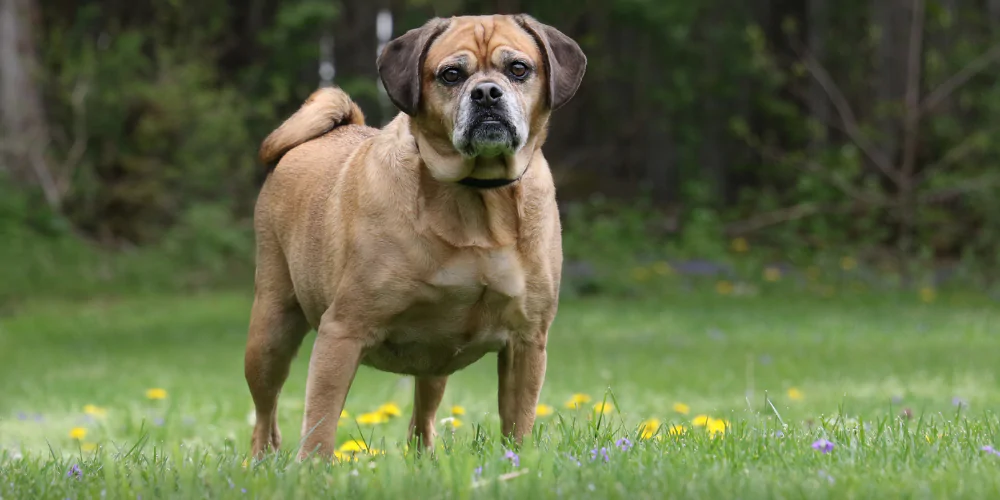
Keeping your dog at a healthy weight is one of the most useful things you can do for their joints.
Extra weight places more pressure on the joints whenever your dog walks, stands or climbs stairs. It can also make exercise harder, leading to further weight gain and muscle loss.
Your vet can check your dog’s weight and body condition. Body condition looks at their overall shape and the amount of fat covering their ribs.
If your dog needs to lose weight, your vet can help you do it safely. They may suggest changing portion sizes, food or treats.
Remember to count chews and table scraps as part of your dog’s daily food. Those little extras can add up, especially when an older dog becomes less active.
Keep exercise regular
Older dogs still need regular exercise unless their vet advises otherwise. Movement helps maintain muscle strength and supports healthy joints.
Try to keep your dog’s activity fairly consistent. Several shorter walks may suit them better than one long yomp.
A quiet week followed by a long weekend walk can leave an older dog tired or sore. Build up any new activity slowly and watch how they respond.
Let your dog move at a comfortable pace. Give them time to sniff, explore and rest when they need to. Their ideal walk may change with age, but it can still be the best part of their day.
Choose joint-friendly activities
Low-impact exercise allows your dog to stay active without placing sudden strain on their joints.
Walking on even ground is a good option for many older dogs. Gentle hills can also help maintain muscle strength if your dog manages them comfortably.
Try to limit activities that involve things like sudden stops and sharp turns or repeated jumping. Fast ball chasing or long runs on hard surfaces might also be a no-go as your dog ages.
This doesn’t mean your dog has to stop having fun. You can adapt their favourite games to make them gentler.
Roll a toy along the ground instead of throwing it high. Hide treats around the garden or let your dog follow a scent trail. These games provide movement and mental stimulation without lots of jumping.
Support their muscles
Strong muscles help support and steady your dog’s joints. Dogs can lose muscle as they age, especially if pain makes them less active.
Regular walks can help maintain strength. Your vet or a veterinary physiotherapist may also suggest controlled exercises for your dog.
These might include slow walking, gentle slopes or carefully guided movements. The right exercises will depend on your dog’s health.
Don’t try stretches or strengthening exercises without advice. The wrong movement could make an injury or painful joint worse.
Make your floors easier to walk on
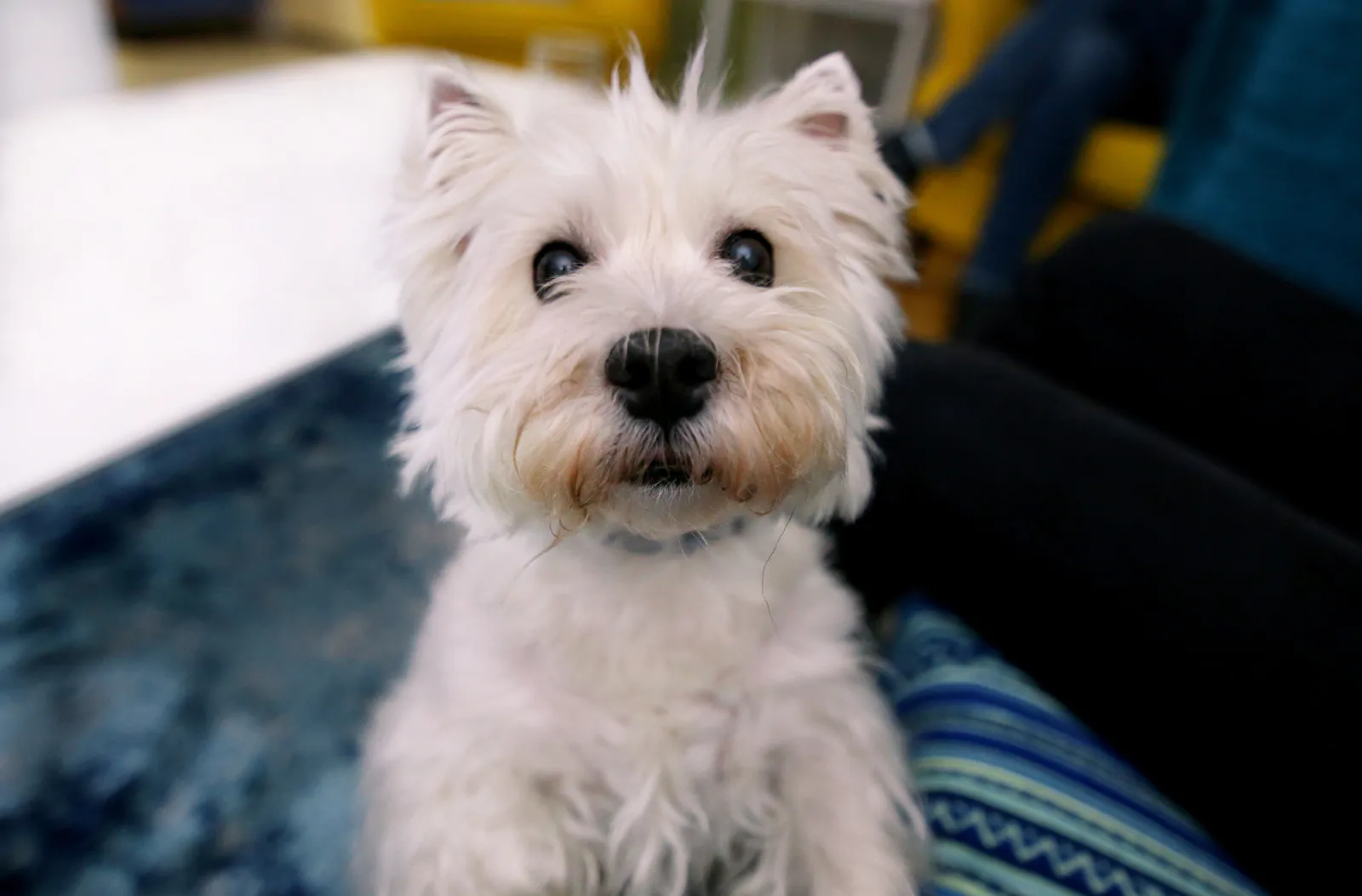
Smooth floors can become difficult for an older dog. Their paws may slip, making them feel less steady and placing extra strain on their joints.
Use rugs, runners or non-slip mats along the routes they use most. Make sure the edges lie flat so they don’t become a trip hazard.
Pay particular attention to areas such as near their bed, food and water bowls and the bottom of the stairs.
Keeping your dog’s nails trimmed can also improve their grip. Check the fur between their paw pads too, as long hair can make smooth floors harder to manage.
Reduce unnecessary jumping
Jumping into a car or onto furniture can become harder as your dog gets older. Landing also places force through their joints.
A ramp may make the car easier to use. Choose one with a non-slip surface and introduce it slowly.
Steps can help some dogs reach a sofa or bed. Be mindful that they need to be stable and suitable for your dog’s size.
Your dog may also benefit from a stairgate. This can stop them repeatedly using the stairs when you aren’t there to help.
Give them a supportive place to rest
Older dogs often spend more time sleeping, so a comfortable bed matters.
Choose a bed that supports your dog’s body and has a low entrance. They should be able to step in without climbing or lifting their legs too high.
Place it somewhere warm and away from draughts. A cold sleeping area won’t cause arthritis, but warmth can help a stiff dog feel more comfortable.
Your dog may need more than one bed. Keeping one near the family means they can rest without feeling left out.
Does food affect an older dog’s joints?
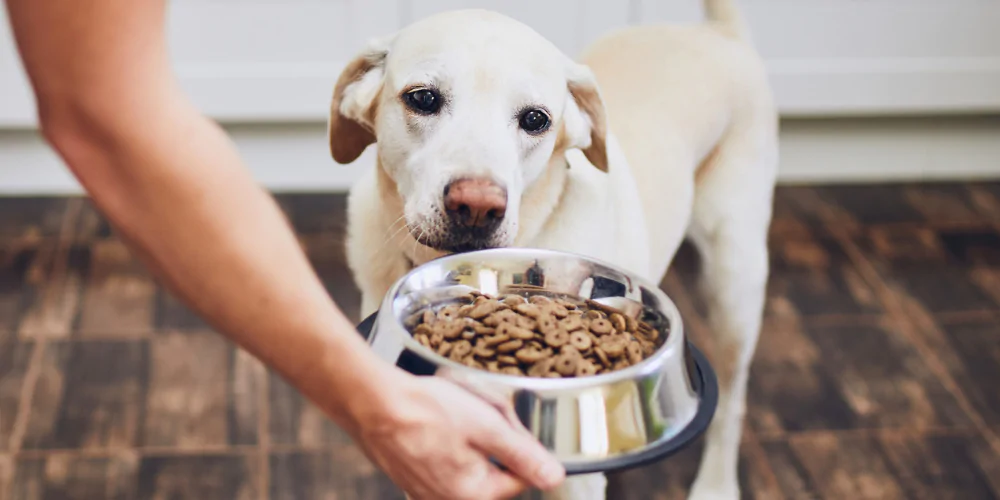
A complete diet gives your dog the nutrients they need each day. Choose food made for their life stage and individual needs and follow the feeding guide.
Some senior foods contain fewer calories, which may help dogs that have become less active. Others contain nutrients chosen to support muscles or joints.
However, formulations vary, so it’s worth checking the nutritional information rather than relying on the word ‘senior’ alone.
Also, it’s important not to make a sudden change to your dog’s diet. Introduce new food gradually to reduce the chance of an upset stomach.
Speak to your vet before changing food if your dog has a health condition or eats a prescription diet.
Can joint supplements help older dogs?
Joint supplements may provide additional nutritional support for some older dogs, particularly those with joint problems such as osteoarthritis. However, the evidence varies between ingredients and products, and not every dog will benefit.
Common ingredients include glucosamine, MSM and green-lipped mussel. You may also find silicon (sometimes as a branded form such as KynoSil®), which supports normal connective tissue and bone structure, alongside vitamins and minerals that support collagen, connective tissue or normal muscle function.
Supplements don’t work like pain relief. They also can’t reverse arthritis or correct a joint that developed abnormally and they shouldn’t replace appropriate veterinary treatment. However, a suitable product may have a role alongside other measures, such as maintaining a healthy weight, appropriate exercise and regular veterinary care.
Dr Emma Chandley, veterinary surgeon, says:
“Some older dogs may benefit from a joint supplement, particularly if they have osteoarthritis. The evidence varies between ingredients and products, so it’s always worth looking carefully at what a supplement contains and discussing it with your vet before starting anything new.
“Supplements are never a replacement for pain relief or other veterinary treatment.”

