Umbilical hernia in dogs

  • Up to £15,000 vet fees

  • No compulsory excess or bill share, even as your pet ages†

  • No upper age limit

  • Free 24/7 access to FirstVet video consultations

  • All pre-existing conditions considered*†

Why choose Petgevity pet cover for umbilical hernias in dogs?

Vet fees up to £15,000

More info

To suit your pet’s needs, choose vet fee cover from £1,000 to £15,000. The limit resets every year you renew.

Design your own pet insurance

More info

Policies as unique as your pet. Set your own limits, excess and optional extras, for cover as snug as a collar.

Switch with unbroken cover

More info

If you switch to us from a like-for-like policy, there’ll be no gap in cover, with protection starting straight away**.

What is an umbilical hernia in dogs?

Content by Dr Emma Chandley BVetMed PGCertSAS MRCVS

An umbilical hernia occurs when the umbilical ring in the abdominal wall doesn’t close completely after birth. Abdominal tissue – such as fat or omentum – can then protrude through this opening, creating a soft swelling around your dog’s belly button. In larger hernias, a loop of intestine or other abdominal tissue can also become involved.

Most umbilical hernias are present from birth and are usually painless. Some are small and may close as your puppy grows, while others remain and may eventually require surgical repair. Although complications are relatively rare, tissue can occasionally become trapped within the hernia and lose its blood supply – making prompt veterinary treatment important.

What Causes What Causes
Overview
  • Umbilical hernias are usually present from birth.
  • They appear as a swelling around the belly button.
  • Small hernias may close naturally during puppyhood.
  • Most are painless and do not cause problems.
  • Rarely, abdominal tissue can become trapped and require emergency surgery.
What Causes What Causes
What causes an umbilical hernia in dogs?

An umbilical hernia develops when the umbilical ring does not close fully after birth. The exact reason this happens in individual puppies is not always known. A genetic component is suspected, as umbilical hernias are more common in certain breeds and family lines. However, the precise inheritance pattern has not been fully established.

Problems affecting the umbilical area during or shortly after birth may also contribute in some cases.

What Causes What Causes
Which breeds are most affected?

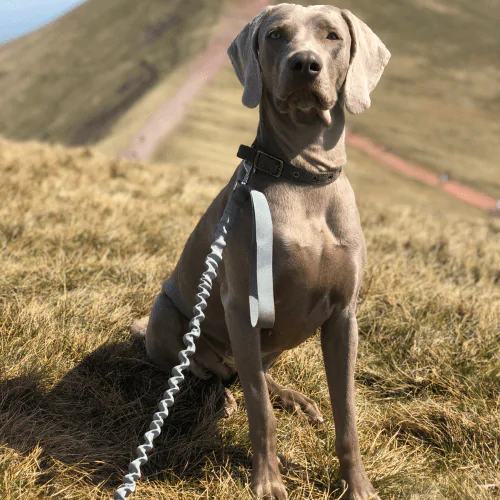
Any dog can develop an umbilical hernia, but some breeds appear to be affected more frequently. Breeds such as Weimaraners, Airedale Terriers, Pekingese and Basenjis are often overrepresented.

A suspected hereditary component means that a history of umbilical hernias within a family may also be relevant. However, having an umbilical hernia does not mean that every puppy from the same family will develop one.

What Causes What Causes
What are the signs and symptoms of an umbilical hernia?

The most obvious sign is usually a soft lump or swelling around the dog’s belly button. It may be more noticeable when a puppy is standing, barking, crying or straining. Some hernias are reducible, meaning that the contents can move back into the abdomen through the opening. 

Others are non-reducible because their contents cannot be returned easily to the abdomen, which may occur because the tissues have become attached or trapped within the hernia. Most uncomplicated umbilical hernias do not cause pain or other obvious signs. However, an affected dog should be assessed by a vet, particularly if the swelling changes suddenly.

Signs that may indicate a complication include:

  • A hernia becoming suddenly larger, firm or painful
  • Warmth or redness around the swelling
  • Reduced appetite
  • Vomiting
  • Lethargy
  • Signs of abdominal pain

These signs can occur if abdominal tissue, particularly intestine, becomes trapped and its blood supply is compromised. This is an emergency requiring veterinary assessment.

What Causes What Causes
Diagnosis

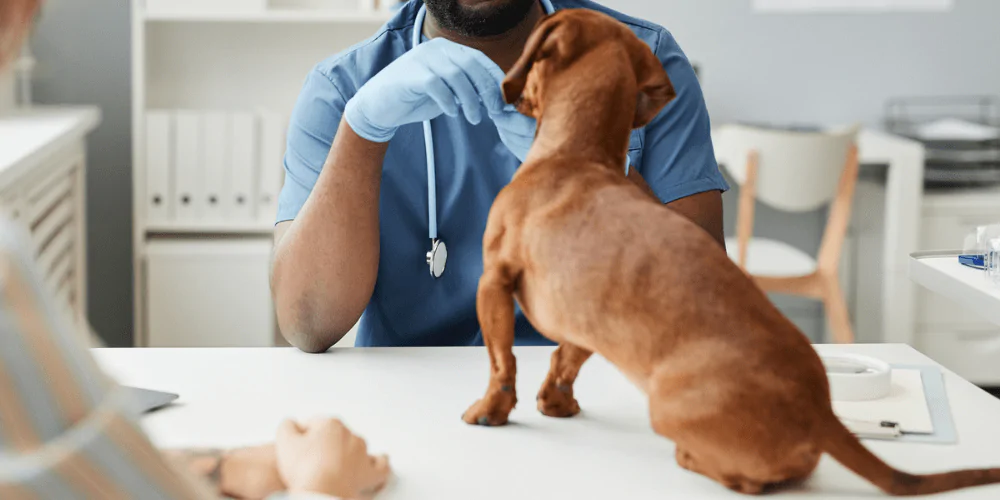
Most umbilical hernias can be diagnosed during a physical examination. Your vet will examine the swelling and assess its size, location and whether it is reducible. Further imaging is not always necessary.

However, abdominal ultrasound or X-rays may be recommended if the contents of the hernia are unclear or there is concern that tissue has become trapped. The age of the dog and the size and characteristics of the hernia will all be considered when deciding whether monitoring or surgical treatment is appropriate.

What Causes What Causes
Treatment of an umbilical hernia

Treatment depends on the individual hernia. Small umbilical hernias in young puppies may close naturally as the abdominal wall develops. This can occur during the first few months of life. If the hernia persists, your vet may recommend surgical repair depending on its size, contents and whether it is reducible. Surgical repair involves returning any herniated tissue to the abdomen and closing the opening in the abdominal wall.

If your dog is already undergoing a general anaesthetic for another procedure, such as neutering, an uncomplicated umbilical hernia may sometimes be repaired during the same anaesthetic. The timing should be decided by your vet based on the individual dog and hernia.

An incarcerated or strangulated hernia is a different situation. If intestinal or other tissue becomes trapped and its blood supply is compromised, emergency surgery is usually required.

What Causes What Causes
Prognosis

The prognosis for uncomplicated umbilical hernias is generally very good. Some small hernias close naturally during puppyhood, and surgical correction is usually successful when it is required. Recurrence following surgical repair is uncommon.

The outlook is more serious if the intestine or other abdominal tissue becomes trapped and loses its blood supply. Prompt treatment is important in these cases.

What Causes What Causes
Our expert says...

“Cushing’s is one of those conditions that can creep up gradually, so owners don’t always notice how much their dog has changed. Increased drinking, more frequent urination, a bigger appetite, and heavier panting can initially seem relatively minor, particularly in an older dog.

“Umbilical hernias are something I see fairly regularly in puppies, and in most cases they’re much less worrying than they initially look to an owner. A small, soft swelling around the belly button is often painless and may even disappear as the puppy grows.

“I would always still recommend having any suspected hernia checked by a vet rather than assuming it’s harmless. We can assess the size of the opening, whether it is reducible and what is likely to be sitting within it.

“Most importantly, owners should keep an eye on any changes. A swelling that suddenly becomes larger, firm or painful – particularly if the puppy is also vomiting, off their food or unusually quiet – needs veterinary attention quickly.”

Emma Chandley – BVetMed PGCertSAS MRCVS 

What Causes What Causes
Can I get insurance for a dog with an umbilical hernia?

If you’re thinking about buying a Petgevity Lifetime Plus policy, we’ll consider all pre-existing conditions when offering cover for your dog* – including an umbilical hernia. 

When you apply for dog insurance, you need to let us know: 

  • Which medical conditions they’ve had in the last two years 
  • Their health status now

Find out more about Petgevity’s dog insurance for pre-existing conditions.

What Causes What Causes

What’s included in your pet cover

Choosing Petgevity to protect your pets gives you more than just vet fee cover. Here's what you get from our policy.

Dental accident

More info

Covers your pet up to the chosen vet fee limit if they have a dental accident or injury. Always be sure to take your pet for annual dental check-ups, and follow your vet’s advice.

Behavioural treatment

More info

Get expert help with your pet’s mental and emotional wellbeing, as advised by your vet. Cover up to your chosen vet fee amount or the cost of up to 12 sessions, whichever is lower (Lifetime Plus); or up to £1,000 (Lifetime).

Complementary therapy

More info

As advised by your vet, this covers alternative treatments like acupuncture or hydrotherapy. Cover up to your chosen vet fee amount (Lifetime Plus); or up to chosen vet fee amount or £1,500, whichever is lower (Lifetime).

Emergency care

More info

If you can’t look after your pet due to an emergency, such as an unplanned hospital visit, this covers you for up to £1,500 (Lifetime Plus) in minding costs.

Third-party liability for dogs

More info

Covers you for legal costs if your dog causes injury to somebody or their pet, or causes loss or damage to someone’s property. Protects you for up to £2 million in a legal action.

Choice of optional extras

More info

Need extra protection? Choose from several optional extras to cover your pet’s needs, including dental illness, or cover if your pet is stolen or lost.

Award-winning pet insurance provider

best_pet_insurance_provider_logo

Defaqto 5 star rating when you choose vet fees over £4,000 with all optional add-ons included.

Basic cover alone has 3 star rating

best_pet_insurance_provider_logo

Three-time winner National Insurance Awards Pet Insurance Award 2022, 2023 & 2024.

best_pet_insurance_provider_logo

Awarded Best Pet Insurance Provider at The Money Mentor Awards 2024

Compare our multi-pet cover†

petgevity-logo-white p-only-petgevitylogo ManyPets Petplan Agria
Maximum vet fees £15k per year £15k per year £12k per year £20k per year
Cover for pre-existing conditions? ✓ ✓ ✗ ✗
No compulsory excess? ✓ ✗ ✗ ✗
No compulsory co-payments for older pets? ✓ 20% (from age 9) 20% (from age 7) Min. 10% (from any age)
Tailor limits per pet on a multi-pet policy ✓ ✓ ✓ ✓
Dental treatment for accidents? ✓ ✓ ✓ ✓
Behavioural treatment and complementary therapy? ✓ ✓ ✓ ✓

†For Lifetime Plus policies only – details correct as of 10 September 2024 via competitor websites. Competitor products are subject to their own T&Cs and can have different limits and requirements for cats versus dogs at different ages. For full details, please check the relevant policy wording.
For full details of Petgevity pet insurance, please read our policy wording.

Frequently asked questions about Cushing's disease

  • Do umbilical hernias in dogs go away on their own?

    Some small umbilical hernias can close naturally as a puppy grows, particularly during the first few months of life. Your vet can advise whether monitoring is appropriate or whether surgical repair is needed.

  • Are umbilical hernias painful for dogs?

    Most uncomplicated umbilical hernias are not painful. Pain, sudden swelling, firmness or other changes can indicate a complication and should be assessed by a vet.

  • Does an umbilical hernia need surgery?

    Not every small hernia requires immediate surgery. Some close naturally, while persistent or larger hernias may be repaired surgically – often alongside another planned procedure such as neutering.

    Find out more about neutering for dogs – castration for males and spaying for females.

  • Can an umbilical hernia become an emergency?

    Yes. If intestine or other tissue becomes trapped and its blood supply is compromised, emergency surgery may be necessary.

  • Can you push an umbilical hernia back in?

    Some hernias are reducible, but owners should not try to force a swelling back into the abdomen. Your vet can assess whether a hernia is reducible and whether monitoring or treatment is appropriate.

†Lifetime Plus policies only

*Cover for pre-existing medical conditions is subject to acceptance. They will not be covered unless you have declared them and they are shown on your Confirmation of Cover.

**Illnesses and symptoms won’t be covered in the first 14 days and accidents won’t be covered in the first 2 days of the policy. This is unless you are switching from another lifetime pet insurance product with no break in cover and the claim you want to make would have been covered by your previous policy. Other exclusions may apply to other sections.