Lameness in dogs

  • Up to £15,000 vet fees

  • No compulsory excess or bill share, even as your pet ages†

  • No upper age limit

  • Free 24/7 access to FirstVet video consultations

  • All pre-existing conditions considered*†

Why choose Petgevity pet cover for lameness in dogs?

Vet fees up to £15,000

More info

To suit your pet’s needs, choose vet fee cover from £1,000 to £15,000. The limit resets every year you renew.

Design your own pet insurance

More info

Policies as unique as your pet. Set your own limits, excess and optional extras, for cover as snug as a collar.

Switch with unbroken cover

More info

If you switch to us from a like-for-like policy, there’ll be no gap in cover, with protection starting straight away**.

What is Cushing’s disease in dogs?

Content by Dr Nicole Olewinski – BVSc MRCVS

Lameness is when a dog isn’t using one or more legs normally. This can be as obvious as holding one leg up in the air, or a vague stiffness that’s more noticeable at some times rather than others. The problem can come and go in the space of a day or two or be a permanent change to the way a dog walks.

Lameness is normally caused by a problem with the musculoskeletal system – meaning bones, joints, ligaments, tendons and muscles. Some causes of lameness can lead to lasting weakness or arthritis, but a lot of the time dogs make a full recovery.

What Causes What Causes
Overview
  • Lameness is often a sign of pain or inflammation
  • Some vets grade lameness from 1-5 or 1-10
  • Lameness can be permanent or temporary
  • Other legs have to work harder to compensate
What Causes What Causes
What causes lameness in dogs?

When thinking about the causes of lameness, it’s easier and quicker to think in terms of categories. These categories help owners and vets narrow down the list of possibilities and move forward in the most appropriate way:

  • Soft tissue injuries: bruised muscles, sprains, strains and overuse injuries
  • Breaks and dislocations: often, though not always, owners will witness an accident
  • Foot problems: ingrowing nails, foreign bodies (grass seeds/glass), pododermatitis, ulcerated pads from overuse or hot pavements, corns
  • Developmental issues: elbow dysplasia and hip dysplasia, luxating patellas, osteochondritis dissecans (OCD)
  • Arthritis: age-related or, much more rarely, infection or immune-mediated arthritis
  • Spinal: deformities, disc disease, spinal strokes or arthritis
  • Cruciate disease and meniscal injury
  • Degenerative muscle or neurological conditions

Although not a direct cause, being overweight can make lameness more likely, while carrying extra weight or having an unbalanced diet can also affect recovery.

What Causes What Causes
Which breeds are most affected?

Lameness affects dogs of any breed and any age. There are some specific conditions causing lameness, like hip or elbow dysplasia or luxating patellas, where some breeds are more prone to problems… But the list of breed predispositions is too long to be useful in the context of general lameness.  

What Causes What Causes
What are the signs and symptoms of lameness?

The obvious sign of lameness is when a dog holds up their leg or walks in an abnormal way, and often pain will lead them to lick or guard the area.

When vets score lameness, often out of 5 or 10, the higher the number, the more noticeable and significant the lameness is. A high-grade lameness isn’t necessarily more serious or painful, though – it’s just a helpful way to track improvement over time. 

When it comes to subtle or low-grade lameness, it can be more noticeable when a dog does the following things: 

  • Eating or drinking: some dogs may even start lying down
  • Toileting: some dogs will stop cocking their leg to urinate or struggle to position to pass faeces
  • Jumping: difficulty getting on and off the sofa or in and out of the car
  • Slopes: going up or down very steep slopes can put more strain on back or front legs respectively
  • Turning: dogs will often struggle to pivot or turn on a sore or weak leg  

In rare cases, some nerve issues can cause strange sensations that will lead a dog to bite or even chew on their leg more intensively – sometimes even causing damage. 

What Causes What Causes
Diagnosis

Diagnosing lameness can be as simple as watching a dog walk, and in some cases, pinpointing the exact nature of the problem just isn’t needed. For example, for a dog with a mild lameness that slipped on a tiled floor running for its dinner, the cause is obvious. And if the symptoms disappear in two days, identifying exactly which muscle or tendon was sprained isn’t important.   

When lameness looks as though it may have longer-lasting implications or accurate diagnosis will affect the treatment choice, vets may use a combination of the following to work out where the problem is and how serious it might be:

  • A clinical history
  • General physical examination
  • Orthopaedic or neurological examination
  • X-rays
  • Blood tests
  • Ultrasound
  • Advanced imaging techniques like CT or MRI
  • Joint or spinal fluid testing
  • Force plate or gait analysis
  • Nerve conduction studies
What Causes What Causes
Treatment of lameness

For many dogs, the most effective treatment combination is rest, controlled exercise and – when appropriate – NSAIDs (non-steroidal anti-inflammatory drugs) to reduce pain and inflammation. This gives the injury time to heal without putting the area under more strain or forcing other areas to compensate.

Additional treatments depend on the severity, cause and whether there is a need for a long-term management plan. Treatment may include:

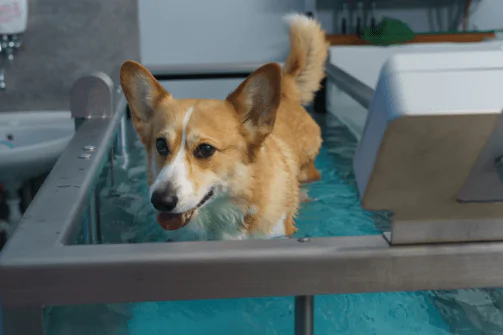
  • Hydrotherapy
  • Physiotherapy and massage
  • Temporary support dressings
  • Laser therapy
  • Surgery
  • Targeted treatment for specific underlying causes
What Causes What Causes
Prognosis

Prognosis can range from complete recovery to ongoing issues and pain management. Many episodes of lameness are caused by relatively minor soft tissue injuries and resolve quickly, sometimes without the dog ever needing to see a vet.

While the chances of lameness being the symptom of a life-threatening condition are extremely small, sudden or severe lameness should always be taken seriously.

What Causes What Causes
Our expert says...

“All my dogs have limped at one time or another, sometimes weekly after zoomie-related accidents. Some have had underlying problems such as luxating patellas or lumbosacral disease, while one young dog with vision problems insisted on racing around and bumping into things.

“They also vary enormously in how they express pain. My sweet elderly sofa companion does not hesitate to bite me when she’s hurting; my stoical crossbreed limps without showing much pain and often chooses to rest himself. He will, however, 100% find a way to remove and eat any bandage or dressing I put on him. My goofy Pointer cross will injure himself, only realise later and then act like it’s the end of the world. No two dogs – or episodes of lameness – are the same.

“I do recommend learning to grade your dog’s lameness and pain. It can help you describe problems to your vet and track changes over time. However, when it comes to resting your dog, I know it’s easier said than done. The key is rest without boredom, because that’s when problems happen. My elderly dog is perfectly happy to rest, but my youngest quickly becomes destructive and can get himself into more trouble by chewing and swallowing things he shouldn’t. When he needs to rest, I take him outside on a lead several times a day just to sniff. It breaks up the monotony and engages his brain, while lick mats and appropriate things to chew keep him occupied indoors.”

Dr Nicole Olewinski – BVSc MRCVS

What Causes What Causes
Can I get insurance for a dog with lameness?

Be sure to tell us about your dog’s lameness when you get a quote for Lifetime Plus insurance and we’ll see if we can cover them*.

Always declare every condition they’ve had in the last two years – including those which need ongoing treatment, monitoring or check-ups. This way we can offer the exact level of cover for your dog’s individual needs.

Find out more about our dog insurance for pre-existing medical conditions.

What Causes What Causes

What’s included in your pet cover

Choosing Petgevity to protect your pets gives you more than just vet fee cover. Here's what you get from our policy.

Dental accident

More info

Covers your pet up to the chosen vet fee limit if they have a dental accident or injury. Always be sure to take your pet for annual dental check-ups, and follow your vet’s advice.

Behavioural treatment

More info

Get expert help with your pet’s mental and emotional wellbeing, as advised by your vet. Cover up to your chosen vet fee amount or the cost of up to 12 sessions, whichever is lower (Lifetime Plus); or up to £1,000 (Lifetime).

Complementary therapy

More info

As advised by your vet, this covers alternative treatments like acupuncture or hydrotherapy. Cover up to your chosen vet fee amount (Lifetime Plus); or up to chosen vet fee amount or £1,500, whichever is lower (Lifetime).

Emergency care

More info

If you can’t look after your pet due to an emergency, such as an unplanned hospital visit, this covers you for up to £1,500 (Lifetime Plus) in minding costs.

Third-party liability for dogs

More info

Covers you for legal costs if your dog causes injury to somebody or their pet, or causes loss or damage to someone’s property. Protects you for up to £2 million in a legal action.

Choice of optional extras

More info

Need extra protection? Choose from several optional extras to cover your pet’s needs, including dental illness, or cover if your pet is stolen or lost.

Award-winning pet insurance provider

best_pet_insurance_provider_logo

Defaqto 5 star rating when you choose vet fees over £4,000 with all optional add-ons included.

Basic cover alone has 3 star rating

best_pet_insurance_provider_logo

Three-time winner National Insurance Awards Pet Insurance Award 2022, 2023 & 2024.

best_pet_insurance_provider_logo

Awarded Best Pet Insurance Provider at The Money Mentor Awards 2024

Compare our multi-pet cover†

petgevity-logo-white p-only-petgevitylogo ManyPets Petplan Agria
Maximum vet fees £15k per year £15k per year £12k per year £20k per year
Cover for pre-existing conditions? ✓ ✓ ✗ ✗
No compulsory excess? ✓ ✗ ✗ ✗
No compulsory co-payments for older pets? ✓ 20% (from age 9) 20% (from age 7) Min. 10% (from any age)
Tailor limits per pet on a multi-pet policy ✓ ✓ ✓ ✓
Dental treatment for accidents? ✓ ✓ ✓ ✓
Behavioural treatment and complementary therapy? ✓ ✓ ✓ ✓

†For Lifetime Plus policies only – details correct as of 10 September 2024 via competitor websites. Competitor products are subject to their own T&Cs and can have different limits and requirements for cats versus dogs at different ages. For full details, please check the relevant policy wording.
For full details of Petgevity pet insurance, please read our policy wording.

Frequently asked questions about Cushing's disease

  • Does lameness in dogs go away?

    In many cases, yes. Mild soft tissue injuries can improve quickly, sometimes within a few days. However, lameness shouldn’t be ignored simply because it might go away – particularly if it’s severe, recurrent or isn’t improving.

  • How do you treat lameness in dogs?

    Pain relief and rest are often the most important and effective treatments for lameness. Whether additional treatment is needed depends entirely on the cause and can range from surgery to antibiotics to long-term pain management.

  • What causes sudden hind limb lameness?

    Sudden hindlimb lameness can have many causes, including a ligament rupture such as cruciate disease, a fracture or – less commonly – a neurological problem such as intervertebral disc disease (IVDD). A tucked posture, stiffness, limb dragging, weakness or trouble walking can indicate a neurological problem that needs prompt veterinary attention.

  • What is neurological lameness?

    Neurological lameness is when the nerve signals that control muscle contraction, coordination and leg position are disrupted. This most often looks like weakness and the leg may give way, drag or scuff the nails. However, rare cases can also look like exaggerated or extra high steps called hypermetria.

†Lifetime Plus policies only

*Cover for pre-existing medical conditions is subject to acceptance. They will not be covered unless you have declared them and they are shown on your Confirmation of Cover.

**Illnesses and symptoms won’t be covered in the first 14 days and accidents won’t be covered in the first 2 days of the policy. This is unless you are switching from another lifetime pet insurance product with no break in cover and the claim you want to make would have been covered by your previous policy. Other exclusions may apply to other sections.