Corneal ulcers in dogs

  • Up to £15,000 vet fees

  • No compulsory excess or bill share, even as your pet ages†

  • No upper age limit

  • Free 24/7 access to FirstVet video consultations

  • All pre-existing conditions considered*†

Why choose Petgevity pet cover for corneal ulcers in dogs?

Vet fees up to £15,000

More info

To suit your pet’s needs, choose vet fee cover from £1,000 to £15,000. The limit resets every year you renew.

Design your own pet insurance

More info

Policies as unique as your pet. Set your own limits, excess and optional extras, for cover as snug as a collar.

Switch with unbroken cover

More info

If you switch to us from a like-for-like policy, there’ll be no gap in cover, with protection starting straight away**.

What is an ear infection in dogs?

Content by Dr Siân Burwood MA VetMB MRCVS

Corneal ulcers in dogs are defects in the top protective layer of the eye. The cornea is the clear layer that keeps the eye ball as a ball, providing structure and protection from the outside world.

Ulcers are usually caused by trauma to the eye, but are more likely in dogs with certain eye shapes or underlying conditions. Corneal ulcers are very painful, can take a long time to treat and can even result in loss of sight or loss of the eye itself. But if treated early and aggressively, a full recovery can be made.

What Causes What Causes
Overview
  • Corneal ulcers are painful damage to the clear protective front layer of the eye
  • They’re usually caused by injury, but are more likely in dogs with flat faces or underlying medical conditions that make rubbing the face more likely
  • Any dog screwing its eye shut should be seen by a vet as an emergency
  • Treatment involves pain relief, antibiotic and lubricant drops and stopping the dog causing further damage
  • Regular rechecks with your vet are needed to make sure that healing is progressing as it should, as worsening ulcers can cause permanent eye damage
What Causes What Causes
What causes corneal ulcers in dogs?

The cornea is a clear layer of cells over the whole front of the eye. It keeps the other eye structures together as an eyeball, helps to focus light through the eye, and also provides protection from bacteria.

Corneal ulcers are damage to this part of the eye, and are usually caused by an injury – either from the dog rubbing the eye, or from some foreign material getting into it.

Some dogs are more prone to ulcers than others because they have underlying eye issues (such as dry eye) that make damage more likely. Alternatively they may have genetic issues with their face shape or corneal healing that make repair much harder.

What Causes What Causes
Which breeds are most affected?

Any breed can be affected by corneal ulcers, especially those that happen through injury. These can happen at play, or from running around in a garden or field.

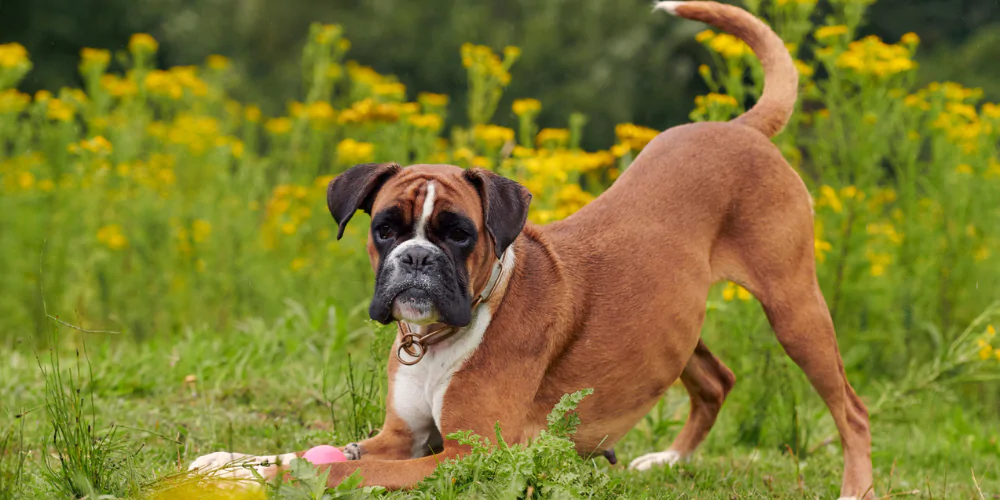
Brachycephalic (flat faced) dogs are the most likely to get corneal ulcers because they have wide bulging eyes, plus less nose to get in the way of something getting in the eye.

This means the following get corneal ulcers more frequently:

For many of these breeds, they also have an issue with how the cornea repairs. This means it can take much longer for their ulcers to heal.

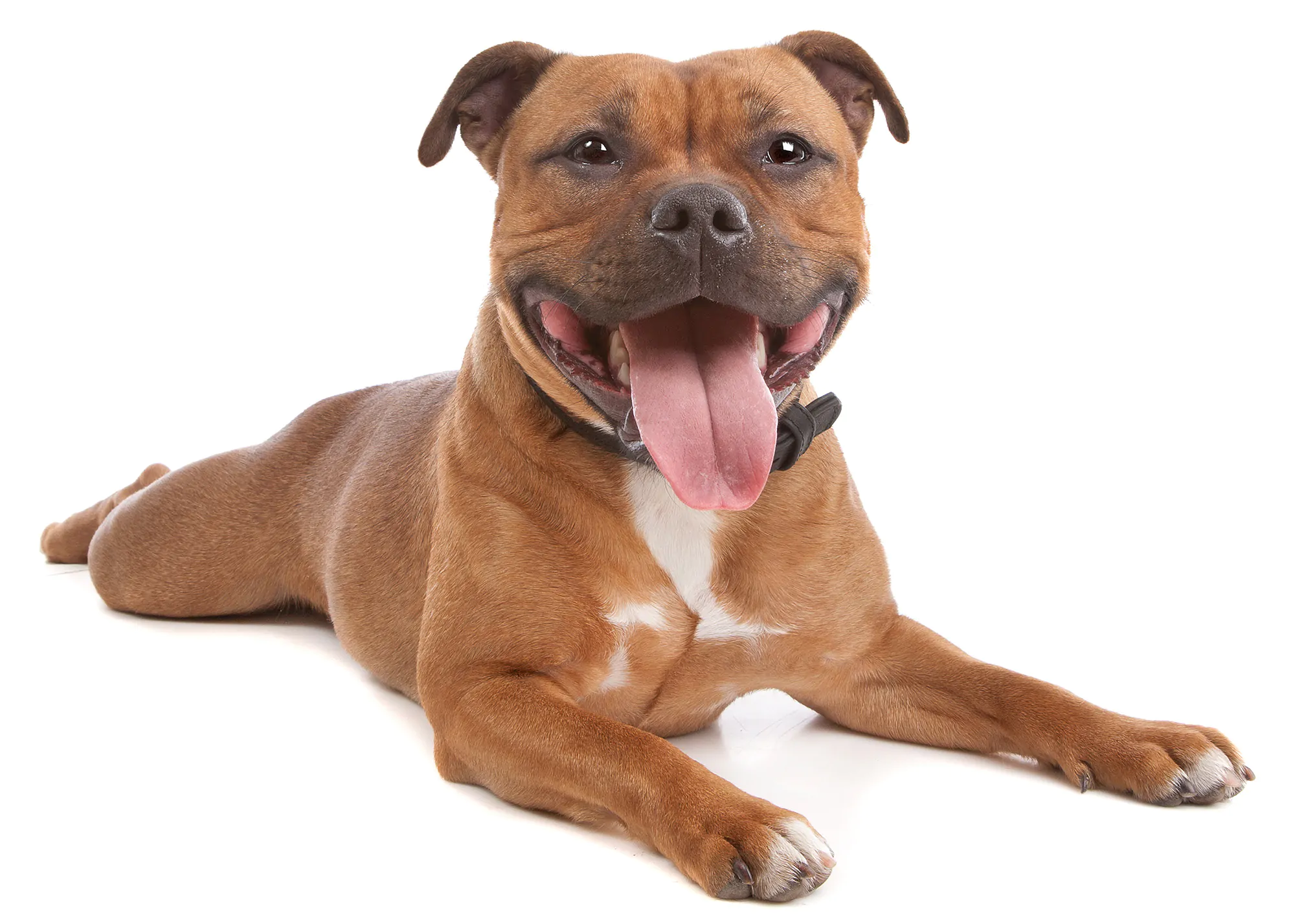
Dogs who have allergic skin disease are more likely to get corneal ulcers if they aren’t well controlled, because they rub their faces more. This includes many of the above breeds, but also Staffordshire Bull Terriers and West Highland White Terriers.

Dogs who are prone to ‘dry eye’ (keratoconjunctivitis sicca) are also more at risk of corneal ulcers because their eyes feel itchy. This includes many of the above breeds, but especially Shih Tzus.

What Causes What Causes
What are the signs and symptoms of corneal ulcers?

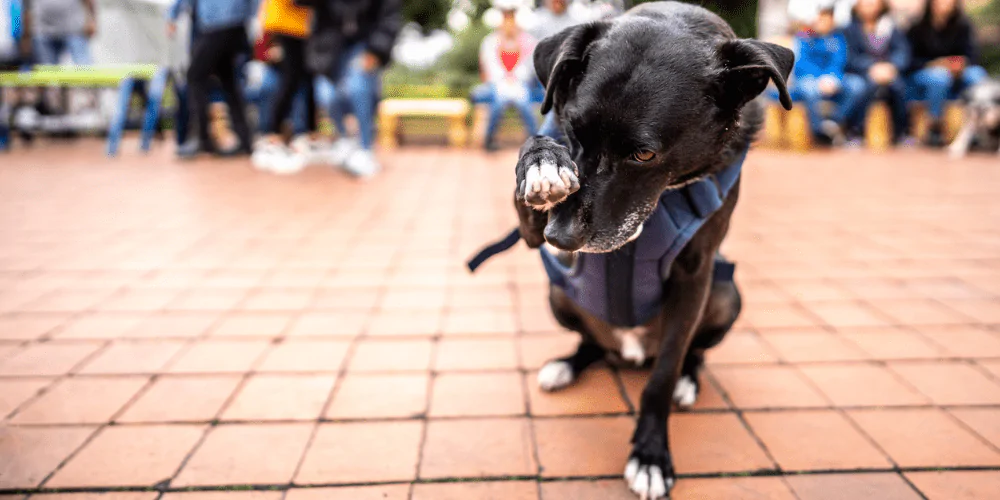
The main symptom of a corneal ulcer is a dog who is screwing up one eye, either on and off or keeping it permanently shut. This is a sign of eye pain and an indication to get to your vet straight away. You’re unlikely to be able to see the ulcer on your own.

Your dog may also rub at the eye, have some weeping from the eye, or seem generally distressed. Other dogs show no eye signs at all but become very depressed with the pain.

Diagnosis

To see a corneal ulcer, your vet will need to apply an orange dye, which then fluoresces green under a UV torch. This will show your vet how big and how deep the ulcer is. Some vets will also have access to a ‘slit lamp’ which allows them to see inside the eyeball itself to look for other signs of damage.

As corneal ulcers are very painful, your vet may need to apply local anaesthetic to the eye before they are able to look. Some dogs even need to be examined under sedation.

What Causes What Causes
Treatment of a corneal ulcers

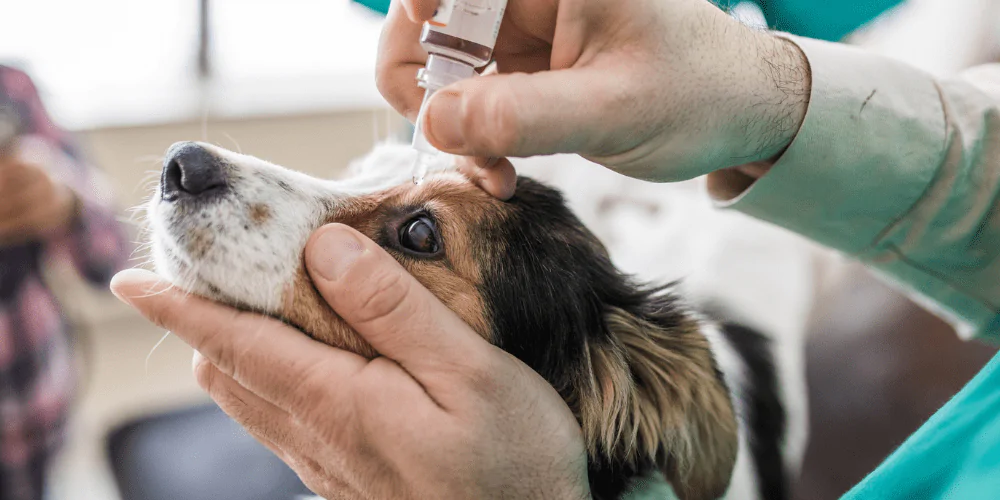
Treatment of corneal ulcers needs to be consistent and aggressive, and can take a long time even when instructions are followed. Your vet cannot heal the ulcer, but needs to create the right environment for the body to be able to heal itself through:

  • Pain relief
  • Antibiotic eye drops
  • Lubricant eye drops
  • Preventing further damage with use of a buster collar or contact lens

You’ll need to see your vet for regular rechecks to check the ulcer is getting smaller rather than bigger, and to check for signs of healing.

If the ulcer isn’t healing as expected, your vet may recommend the ulcer is ‘debrided’ under sedation. This is where dead corneal cells are rubbed away and healing stimulated.

In the most severe cases, your vet may need to suture the third eyelid shut over the ulcer, or refer you to an ophthalmologist for a graft (which uses the body’s own eye tissue like a plaster).

Prognosis

Corneal ulcers should always be taken seriously because they cause a lot of pain, as well as risking losing sight in that eye or even rupturing the eyeball if the ulcer gets too deep. With early and consistent treatment, however, many ulcers will eventually heal – and even the most serious ones can have good outcomes with suitable treatment from a specialist.


What Causes What Causes
Our expert says...

“Like most vets, I’m always sad to diagnose a corneal ulcer because I know just how painful they can be, and just how long they can take to treat. What I’ve found is that by helping owners understand that our job is to help the body heal itself through consistent treatment, the vast majority of cases can be treated effectively.

“In at-risk breeds such as Pugs and Boxers, even the most dedicated owners can still struggle to get an ulcer healed, and being able to refer them to an ophthalmologist for more specialist help is invaluable.”

Dr Siân Burwood, MA VetMB MRCVS

What Causes What Causes
Can I get insurance for a dog with corneal ulcers?

When getting a quote for Petgevity Lifetime Plus insurance, tell us about your dog’s corneal ulcers, plus any other conditions they’ve had in the past two years*.

It’s important to list your dog’s conditions when taking out pet insurance, so you increase your chances of a successful claim in future.  

Find out more about our dog insurance for pre-existing medical conditions.

What Causes What Causes

What’s included in your pet cover

Choosing Petgevity to protect your pets gives you more than just vet fee cover. Here's what you get from our policy.

Dental accident

More info

Covers your pet up to the chosen vet fee limit if they have a dental accident or injury. Always be sure to take your pet for annual dental check-ups, and follow your vet’s advice.

Behavioural treatment

More info

Get expert help with your pet’s mental and emotional wellbeing, as advised by your vet. Cover up to your chosen vet fee amount or the cost of up to 12 sessions, whichever is lower (Lifetime Plus); or up to £1,000 (Lifetime).

Complementary therapy

More info

As advised by your vet, this covers alternative treatments like acupuncture or hydrotherapy. Cover up to your chosen vet fee amount (Lifetime Plus); or up to chosen vet fee amount or £1,500, whichever is lower (Lifetime).

Emergency care

More info

If you can’t look after your pet due to an emergency, such as an unplanned hospital visit, this covers you for up to £1,500 (Lifetime Plus) in minding costs.

Third-party liability for dogs

More info

Covers you for legal costs if your dog causes injury to somebody or their pet, or causes loss or damage to someone’s property. Protects you for up to £2 million in a legal action.

Choice of optional extras

More info

Need extra protection? Choose from several optional extras to cover your pet’s needs, including dental illness, or cover if your pet is stolen or lost.

Award-winning pet insurance provider

best_pet_insurance_provider_logo

Defaqto 5 star rating when you choose vet fees over £4,000 with all optional add-ons included.

Basic cover alone has 3 star rating

best_pet_insurance_provider_logo

Three-time winner National Insurance Awards Pet Insurance Award 2022, 2023 & 2024.

best_pet_insurance_provider_logo

Awarded Best Pet Insurance Provider at The Money Mentor Awards 2024

Compare our multi-pet cover

petgevity-logo-white p-only-petgevitylogo ManyPets Petplan Agria
Maximum vet fees £15k per year £15k per year £12k per year £20k per year
Cover for pre-existing conditions?
No compulsory excess?
No compulsory co-payments for older pets? 20% (from age 9) 20% (from age 7) Min. 10% (from any age)
Tailor limits per pet on a multi-pet policy
Dental treatment for accidents?
Behavioural treatment and complementary therapy?

†For Lifetime Plus policies only – details correct as of 10 September 2024 via competitor websites. Competitor products are subject to their own T&Cs and can have different limits and requirements for cats versus dogs at different ages. For full details, please check the relevant policy wording.
For full details of Petgevity pet insurance, please read our policy wording.

Frequently asked questions about corneal ulcers in dogs

  • What are the symptoms of a corneal ulcer in dogs?

    The main symptom of a corneal ulcer in dogs is a dog who is screwing up one eye, either on and off, or all the time. When the eye is open, the third eyelid may be across. Screwing the eye up is a sign of pain, and should mean calling the vet straight away.

  • Are corneal ulcers in dogs an emergency?

    Yes. Any sign of a corneal ulcer is a reason to see the vet as an emergency. While they are not fatal, ulcers are incredibly painful, and getting treatment started sooner rather than later improves outcomes.

  • Which dog breeds are most prone to corneal ulcers?

    Any dog can get a corneal ulcer, but those that rub their faces more (such as dogs with allergies or dry eye) are more at risk. Brachycephalic (flat faced) breeds are most at risk as they have larger eyes that are less protected by normal sized eyelids or noses.

  • Can a corneal ulcer heal on its own?

    Strictly speaking, all ulcers heal by the body healing itself. But they should NEVER be left to heal on their own. They’re very painful, and without antibiotic eye drops, the ulcer can become so deep that the eyeball ruptures. Veterinary attention to heal an ulcer is essential for the welfare of the dog.

  • Can corneal ulcers cause blindness in dogs?

    Corneal ulcers can cause sight issues in dogs either by leaving large scars that light cannot pass through, or by causing such damage to the eye that the eyeball ruptures and has to be removed. Early consistent treatment should avoid either of these outcomes.

†Lifetime Plus policies only

*Cover for pre-existing medical conditions is subject to acceptance. They will not be covered unless you have declared them and they are shown on your Confirmation of Cover.

**Illnesses and symptoms won’t be covered in the first 14 days and accidents won’t be covered in the first 2 days of the policy. This is unless you are switching from another lifetime pet insurance product with no break in cover and the claim you want to make would have been covered by your previous policy. Other exclusions may apply to other sections.