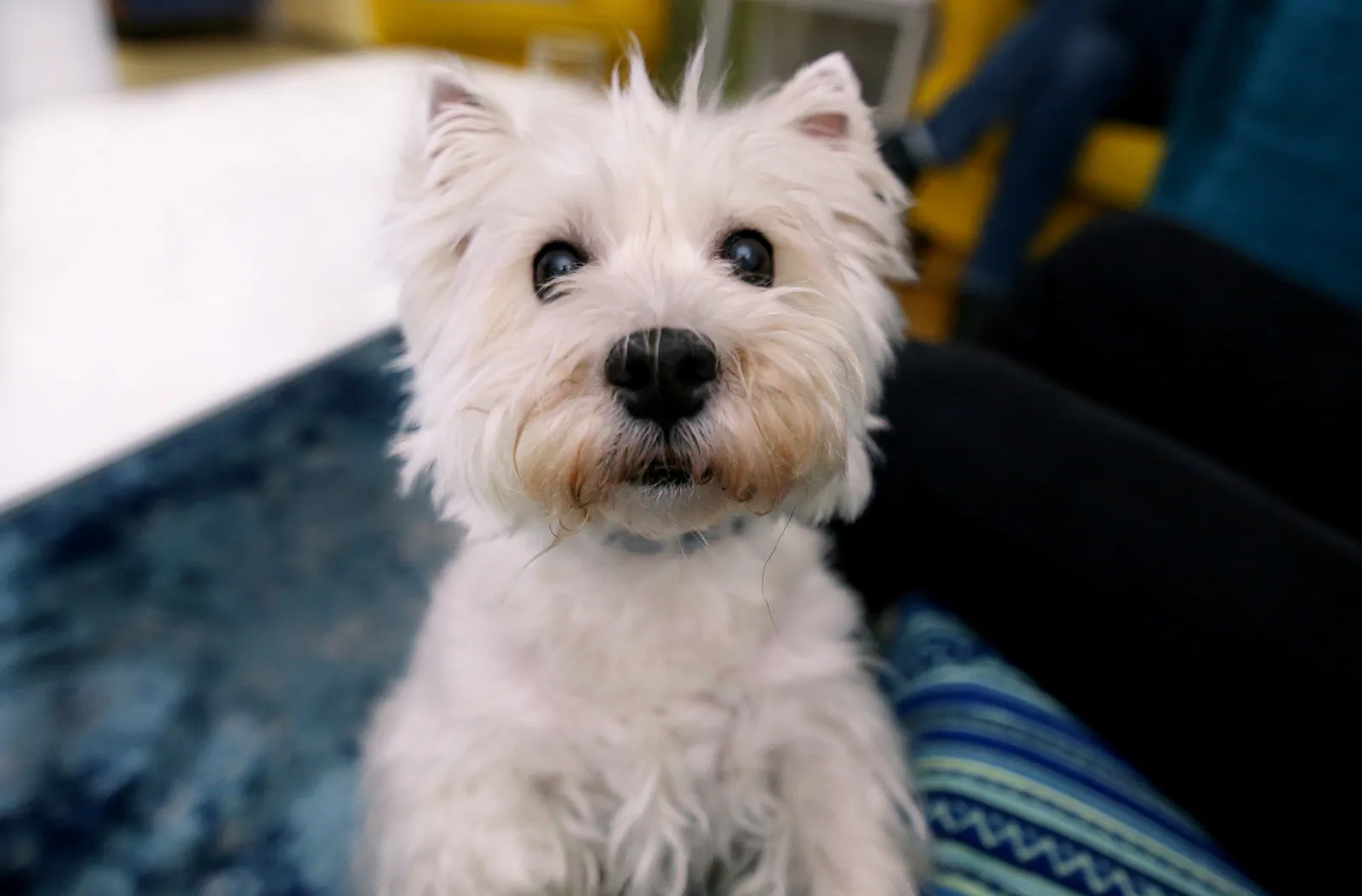
Anal gland problems in dogs

  • Up to £15,000 vet fees

  • No compulsory excess or bill share, even as your pet ages†

  • No upper age limit

  • Free 24/7 access to FirstVet video consultations

  • All pre-existing conditions considered*†

Why choose Petgevity pet cover for anal gland problems in dogs?

Vet fees up to £15,000

More info

To suit your pet’s needs, choose vet fee cover from £1,000 to £15,000. The limit resets every year you renew.

Design your own pet insurance

More info

Policies as unique as your pet. Set your own limits, excess and optional extras, for cover as snug as a collar.

Switch with unbroken cover

More info

If you switch to us from a like-for-like policy, there’ll be no gap in cover, with protection starting straight away**.

What are anal gland problems in dogs?

Content by Dr Siân Burwood MRCVS

The anal glands are two small sacs that sit at the end of the rectum in dogs, storing a strong smelling liquid that is used for scent marking when a dog poos. These glands should naturally empty every time a dog goes for a poo, but if there is any difficulty in passing faeces, the glands may not fully empty and they can become very full. In time this liquid can become solid and even harder to pass, and may even become infected and lead to abscesses. The feeling of a full gland is very uncomfortable for dogs.

Anal gland problems are very common in dogs, and can usually be easily treated.

What Causes What Causes
Overview
  • The anal glands are two scent glands that sit at the end of a dog’s rectum and should naturally empty every time a poo moves through
  • Issues with the glands are a common and easily treated problem seen in veterinary practice
  • Internal expression of the gland can diagnose and treat impacted glands, and even infected glands or abscesses rarely need antibiotics
  • Anal gland problems are best prevented by feeding a high quality diet that includes enough fibre
  • Anal gland problems should always be diagnosed by a vet
What Causes What Causes
What causes anal gland problems in dogs?

Problems with anal glands in dogs are usually caused by changes or issues with a dog’s poo. The anal glands are emptied every time a poo passes through, and so regular passing of large, formed stools that are neither too hard nor too soft is essential. This is created through feeding an appropriate high-quality diet which has enough fibre in it.

Dogs fed high-meat diets – or dogs that get high-fat or high-protein treats – are more likely to have issues with constipation or diarrhoea (in the short or longer term), and anal gland problems go alongside this. Fussy dogs who don’t eat regular meals are also more likely to have anal gland issues.

Anal gland problems can also be a sign of another underlying problem, such as osteoarthritis preventing them from fully emptying their bowels when they toilet. Plus overweight dogs are more likely to have issues with their anal glands. It’s also possible to see cancers of the anal glands.

What Causes What Causes
Which breeds are most affected?

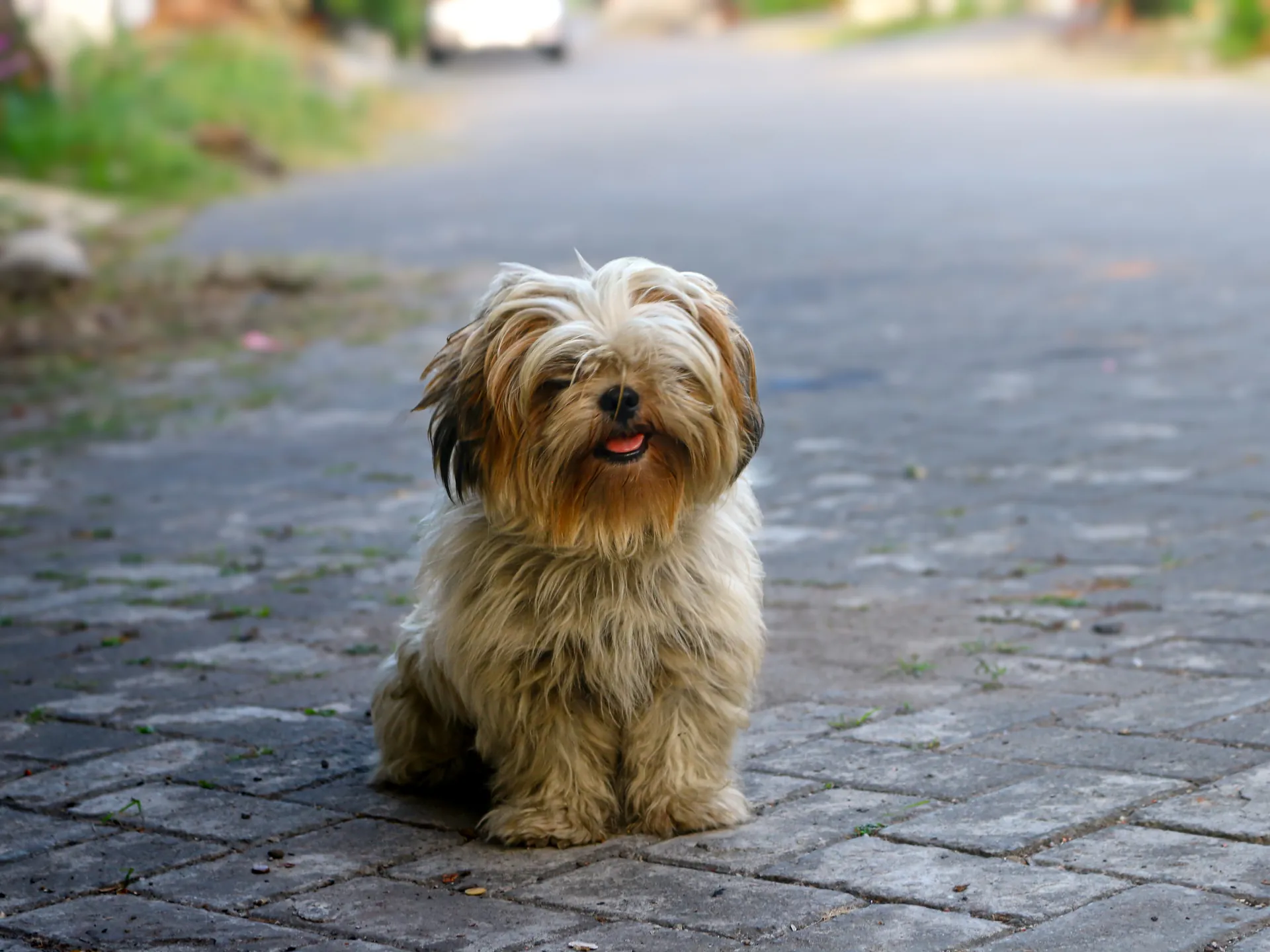
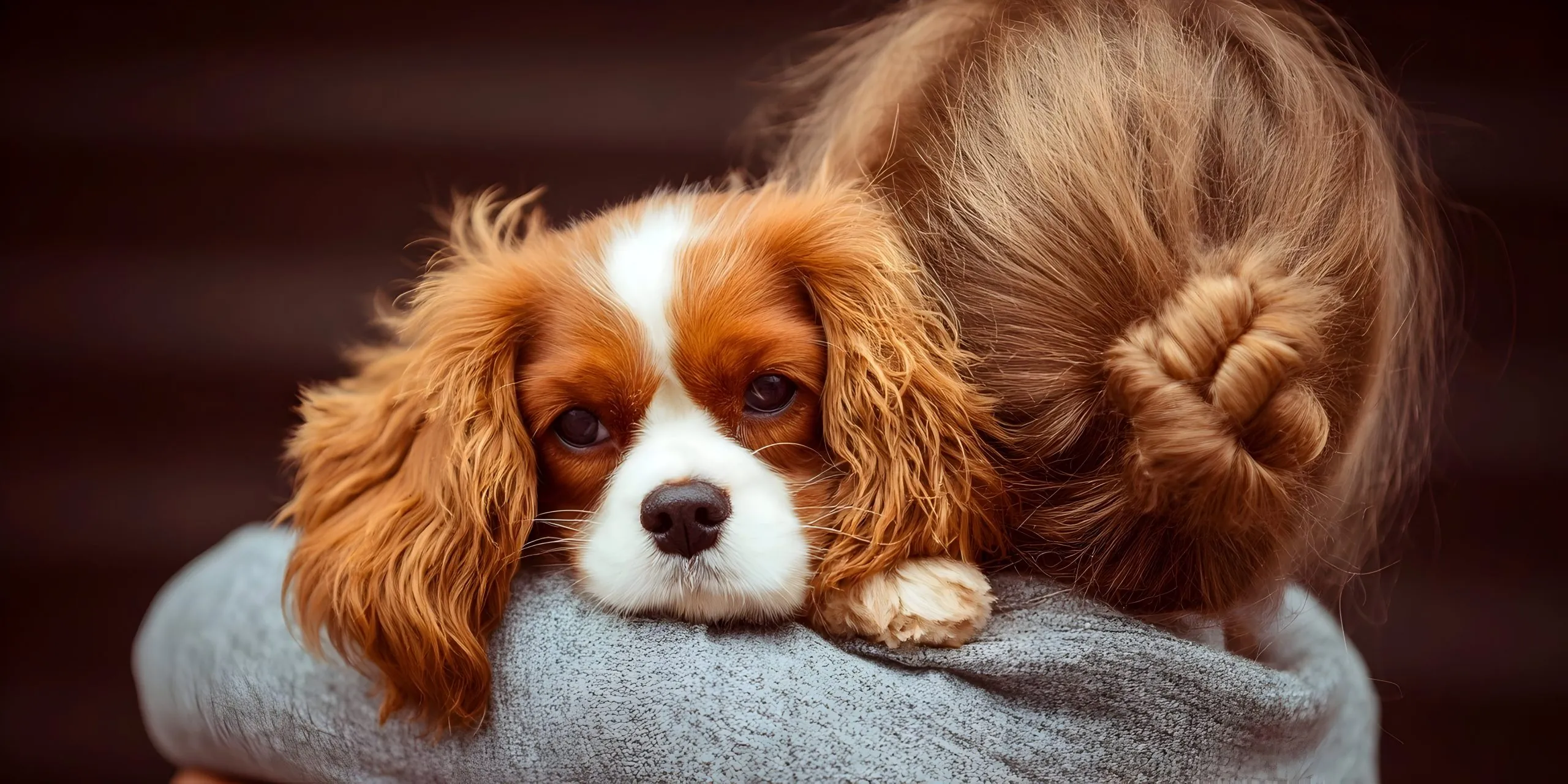
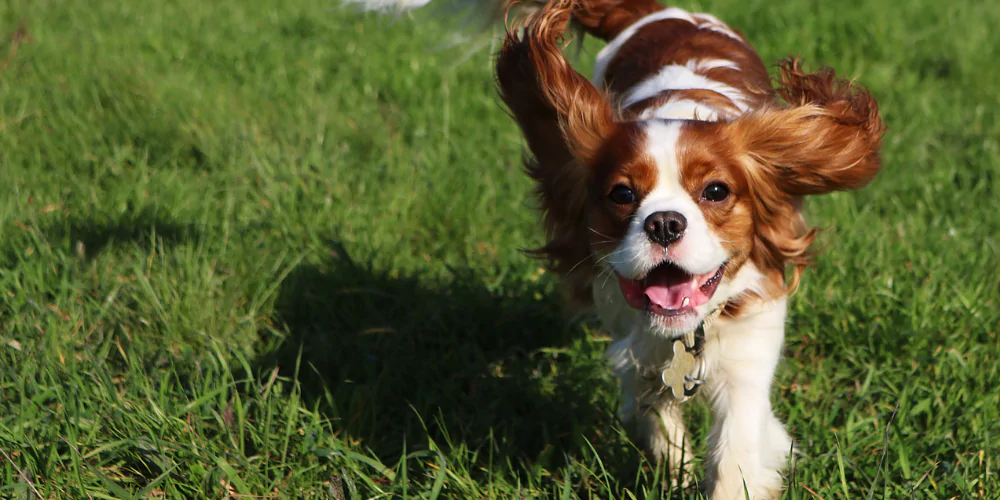
Anal gland problems can affect any breed but are more frequently seen in small breeds such as:

This is due both to their naturally small anal glands that fill up very quickly – but these toy breeds are often also fussy eaters, who may be fed high-protein, high-fat diets with lots of treats.

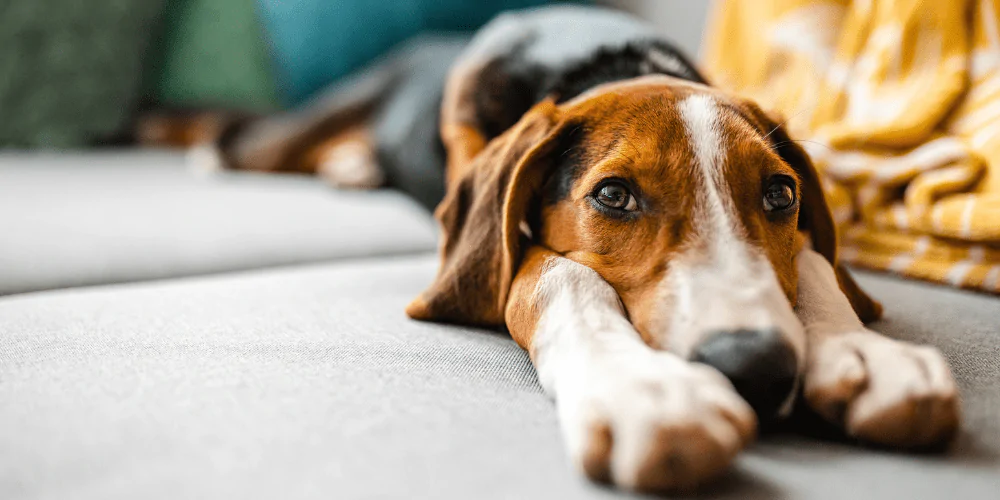
Large breeds can also be affected if their anal glands are so naturally large or deep in the body that any stool would need to be really large to be able to empty it. Dogs such as Beagles and Labradors can also have lots of anal gland issues because of scavenging for treats and human food, and because they’re more likely to be overweight.

What Causes What Causes
What are the signs and symptoms of anal gland problems?

The signs of anal gland problems include:

  • Scooting (dragging the bottom along the floor)
  • Turning round to look at the bottom
  • Nibbling or licking around the anus, thighs or lower back
  • Discomfort or aggression when the back end is touched
  • Reduced appetite
  • A strong, fishy odour from the back end

Most dogs are quite individual in how they show their anal glands are uncomfortable, and you will get used to what is usual for your dog.

Sometimes you may not see any of these symptoms until your dog develops an anal gland abscess. This looks like a large swelling to one side of the anus, and the first thing you may see is when this starts bleeding or releasing smelly discharge. Abscesses are very painful and most dogs are quite grumpy or distressed when they happen.

What Causes What Causes
Diagnosis

Diagnosis of anal gland problems is done via a history, physical examination, and then your vet carrying out an internal rectal examination. While emptying the anal glands can also be done by a registered veterinary nurse (and groomers are allowed to attempt external expression), remember that diagnosis is something that can only be done by a vet.

What Causes What Causes
Treatment of anal gland problems

Treatment of anal gland problems involves relieving the pressure in the gland in the short term, before addressing the underlying cause to prevent further issues.  Expression of the glands by a vet or registered veterinary nurse can relieve pressure, and the material that is expressed can tell your vet whether it is normal or infected fluid.

Anal gland abscesses can be treated with expression, but will likely also need a course of anti-inflammatories and vet rechecks to make sure the issue has resolved. Antibiotics are not considered necessary for most anal gland problems, including abscesses, but recurrent problems may need a short course. Sometimes antibiotics are instilled directly into the anal gland with the dog under sedation.

Removal of the anal glands is rarely done unless there is a serious underlying cause such as an anal gland tumour. This is because it is a risky surgery that carries a real risk of ongoing incontinence problems.


What Causes What Causes
Prognosis

Anal gland impaction and infections carry an excellent prognosis after treatment. The focus should always be on preventing future issues through feeding a complete, high-quality diet that includes fibre to ensure your dog passes large, formed but soft stools regularly.

There are many safe and effective fibre and probiotic supplements that can be useful for dogs who are prone to anal gland problems. Ask your vet for their recommendation.

What Causes What Causes
Our expert says...

“Anal gland problems are something that we see every day in practice. And while not the most pleasant thing we get to do, expression solves most issues.

“I wish more caregivers knew that anal glands do not need emptying in most dogs, and diet is key to preventing anal gland problems… The only time my dog ever needed hers emptying was after my in-laws had given her treats!

“If anal gland problems seem to be a regular thing for your dog, it’s always worth thinking about what the underlying cause is, and always make sure that it is a vet or registered veterinary nurse who is assessing this for you.”

Dr Siân Burwood MA VetMB MRCVS

What Causes What Causes
Can I get insurance for a dog with anal gland problems?

If you’re thinking about buying a Petgevity Lifetime Plus policy, we’ll consider all pre-existing conditions when offering cover for your dog* – including anal gland problems.

When you apply for dog insurance, you need to let us know:

  • Which medical conditions they’ve had in the last two years
  • Their health status now

Find out more about Petgevity’s dog insurance for pre-existing conditions.

What Causes What Causes

What’s included in your pet cover

Choosing Petgevity to protect your pets gives you more than just vet fee cover. Here's what you get from our policy.

Dental accident

More info

Covers your pet up to the chosen vet fee limit if they have a dental accident or injury. Always be sure to take your pet for annual dental check-ups, and follow your vet’s advice.

Behavioural treatment

More info

Get expert help with your pet’s mental and emotional wellbeing, as advised by your vet. Cover up to your chosen vet fee amount or the cost of up to 12 sessions, whichever is lower (Lifetime Plus); or up to £1,000 (Lifetime).

Complementary therapy

More info

As advised by your vet, this covers alternative treatments like acupuncture or hydrotherapy. Cover up to your chosen vet fee amount (Lifetime Plus); or up to chosen vet fee amount or £1,500, whichever is lower (Lifetime).

Emergency care

More info

If you can’t look after your pet due to an emergency, such as an unplanned hospital visit, this covers you for up to £1,500 (Lifetime Plus) in minding costs.

Third-party liability for dogs

More info

Covers you for legal costs if your dog causes injury to somebody or their pet, or causes loss or damage to someone’s property. Protects you for up to £2 million in a legal action.

Choice of optional extras

More info

Need extra protection? Choose from several optional extras to cover your pet’s needs, including dental illness, or cover if your pet is stolen or lost.

Award-winning pet insurance provider

best_pet_insurance_provider_logo

Defaqto 5 star rating when you choose vet fees over £4,000 with all optional add-ons included.

Basic cover alone has 3 star rating

best_pet_insurance_provider_logo

Three-time winner National Insurance Awards Pet Insurance Award 2022, 2023 & 2024.

best_pet_insurance_provider_logo

Awarded Best Pet Insurance Provider at The Money Mentor Awards 2024

Compare our multi-pet cover†

petgevity-logo-white p-only-petgevitylogo ManyPets Petplan Agria
Maximum vet fees £15k per year £15k per year £12k per year £20k per year
Cover for pre-existing conditions? ✓ ✓ ✗ ✗
No compulsory excess? ✓ ✗ ✗ ✗
No compulsory co-payments for older pets? ✓ 20% (from age 9) 20% (from age 7) Min. 10% (from any age)
Tailor limits per pet on a multi-pet policy ✓ ✓ ✓ ✓
Dental treatment for accidents? ✓ ✓ ✓ ✓
Behavioural treatment and complementary therapy? ✓ ✓ ✓ ✓

†For Lifetime Plus policies only – details correct as of 10 September 2024 via competitor websites. Competitor products are subject to their own T&Cs and can have different limits and requirements for cats versus dogs at different ages. For full details, please check the relevant policy wording.
For full details of Petgevity pet insurance, please read our policy wording.

Frequently asked questions about Cushing's disease

  • What causes blocked anal glands in dogs?

    Blocked anal glands in dogs happen when the natural emptying of the gland doesn’t happen when a poo passes through. This can be due to problems with constipation or diarrhoea (often related to diet), or other issues such as mobility problems from obesity and osteoarthritis.

  • What are the signs of anal gland infection?

    The signs of anal gland infection are caused by bacteria overgrowing in a blocked anal gland. This causes a green discharge when the gland is expressed, but the signs are similar to a blocked gland – discomfort, scooting or nibbling, and sensitivity around the bottom.

  • Can I express my dog’s anal glands at home?

    At home you can attempt to express a dog’s anal glands from the outside of the bottom, but it’s far safer and more effective to let a vet or registered veterinary nurse do this internally. Groomers should only attempt to express the anal glands from the outside.

  • What can I do to prevent blocked anal glands at home?

    Home prevention of anal gland problems is all about feeding a complete diet that has enough fibre, as well as feeding at predictable times and avoiding high-fat, high-protein treats. You can also use fibre and probiotic supplements for dogs who have recurrent issues.

  • Should I have my dog’s anal glands removed?

    The anal glands of a dog should only be removed in severe medical cases where it has been advised by a vet – usually due to a cancer of the anal gland – as surgery carries a risk of incontinence. Anal gland issues are far better managed with a good-quality high-fibre diet.

†Lifetime Plus policies only

*Cover for pre-existing medical conditions is subject to acceptance. They will not be covered unless you have declared them and they are shown on your Confirmation of Cover.

**Illnesses and symptoms won’t be covered in the first 14 days and accidents won’t be covered in the first 2 days of the policy. This is unless you are switching from another lifetime pet insurance product with no break in cover and the claim you want to make would have been covered by your previous policy. Other exclusions may apply to other sections.