Arthritis in cats

  • Up to £15,000 vet fees

  • No compulsory excess or bill share, even as your pet ages†

  • No upper age limit

  • Free 24/7 access to FirstVet video consultations

  • All pre-existing conditions considered*†

Why choose Petgevity pet cover for arthritis in cats?

Vet fees up to £15,000

More info

To suit your pet’s needs, choose vet fee cover from £1,000 to £15,000. The limit resets every year you renew.

Design your own pet insurance

More info

Policies as unique as your pet. Set your own limits, excess and optional extras, for cover as snug as a collar.

Switch with unbroken cover

More info

If you switch to us from a like-for-like policy, there’ll be no gap in cover, with protection starting straight away**.

What is arthritis in cats?

Content by Dr Nicole Olewinski – BVSc MRCVS

Arthritis is inflammation and degeneration of one or more joints. And while it is uncomfortable, pain levels vary with severity and during flare-ups. Cat owners may only notice subtle changes in behaviour and activity levels.

It’s also not just the joint that’s affected. Ligaments, muscles and other supporting tissues can also be damaged or placed under strain.

What Causes What Causes
Overview
  • Arthritis is common in older cats
  • Cats may not show pain or limp
  • Common signs include grooming or jumping less
  • Arthritis can be managed, but it can’t be cured
What Causes What Causes
What causes arthritis in cats?

Anything that causes inflammation, abnormal friction or uneven wear in a joint can lead to arthritis. This includes things like:

  • Developmental problems like hip dysplasia
  • Injuries 
  • Joint infections
  • Obesity and nutrition
  • Wear and tear over time
  • Cancer, though very rarely
What Causes What Causes
Which breeds are most affected?

Any cat can develop arthritis, but some breeds are more prone to conditions that can cause it at a younger age.

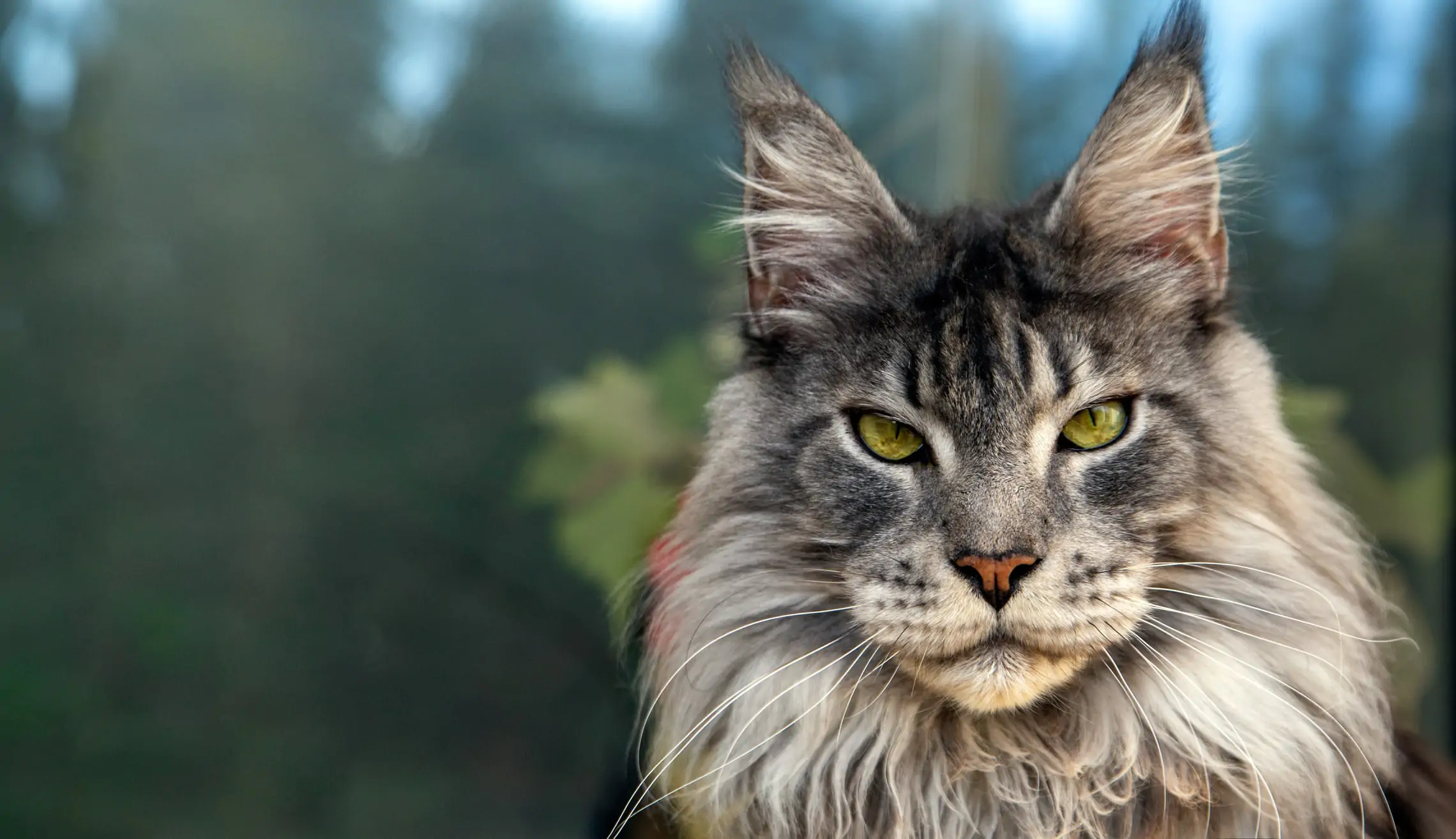
Maine Coons have a higher risk of hip dysplasia, while Abyssinians and Devon Rex cats are more prone to patellar problems. Munchkin cats can develop joint and bone problems related to their short-legged conformation. The genetic mutation that gives Scottish Folds their characteristic ears can also cause faulty cartilage development, known as osteochondrodysplasia.

What Causes What Causes
What are the signs and symptoms of arthritis in cats?

Arthritis reduces the frequency and force with which cats use an affected joint. While this can mean obvious limping, some cats compensate for mild arthritis, and their symptoms can be quite subtle. Common signs of arthritis in cats include: 

  • Limping and stiffness
  • Pain which may show as vocalisation, sensitivity to touch or licking a sore area
  • Loss of muscle
  • Reluctance to jump or play 
  • Grumpiness when touched
  • Going outside less or not venturing as far
  • Grooming less
  • Difficulty using a litter tray

Typically, cats with arthritic elbows may find jumping down more uncomfortable, whereas cats with lumbosacral or hip problems may find jumping up more difficult. However, cats can have arthritis in several areas at once, so these patterns aren’t always obvious. Some cats cope very well with arthritis for long periods, then have a flare-up when their pain and stiffness become more noticeable.

What Causes What Causes
Diagnosis

A good clinical examination can often pick up on swollen and stiff joints, but identifying specific causes and severity requires additional testing:

  • X-rays 
  • Advanced imaging such as CT or MRI for complex joints
  • Joint fluid samples
  • Blood samples don’t necessarily identify underlying causes but help assess whether certain medications are safe to use 

While x-rays are a routine way of diagnosing arthritis, it takes time for bony changes to develop (in other words, changes to the bones becoming visible on an x-ray), and the amount of change does not always directly translate into the level of discomfort a cat feels. Lots of radiographic change doesn’t always mean high levels of pain, but monitoring bony change over time can give a clue into the speed of progression or stability of the arthritis.

What Causes What Causes
Treatment of arthritis in cats

It’s not currently possible to stop the progress of arthritis or reverse it, although researchers are hopeful. Many treatments claim to be chondroprotective or disease-modifying. But even when drugs should theoretically work, what happens in the working joint of a running, jumping, hunting and often elderly cat is very different. This means that medical treatment is essentially aimed at achieving one thing: comfort and quality of life. 

Medical treatment

Medical treatments include:

  • NSAIDs (non-steroidal anti-inflammatory drugs), which work by reducing inflammation and pain. 
  • Other pain relief such as opioids and gabapentin may be used alongside NSAIDs when additional pain relief is needed.   
  • Additional analgesic drugs are available, although individual responses can vary significantly. 
  • Steroids are powerful anti-inflammatories and – although they can have significant side effects – they are appropriate in some cases. 
  • Solensia is a relatively new treatment for osteoarthritis that blocks nerve growth factor, which plays an important role in pain signalling.
  • Cartrophen, which is licensed for dogs, is occasionally used in cats as an additional treatment for arthritis.   

Regular blood tests are advisable to monitor how the liver and kidneys are coping with long-term medication.

What Causes What Causes
Other treatments

A small number of arthritis cases benefit from surgery – for example joint fusion, femoral head excisions or hip replacements. Some cats also experience a temporary reduction in pain after injections into the affected joint. 

CBD may become another addition to the pain-management arsenal. But in the UK, there are no licensed CBD products for cats, and the purity and safety of products sourced online can’t be guaranteed. 

Other therapies include:

  • Hydrotherapy
  • Physiotherapy
  • Massage and/or acupuncture
  • Laser or infrared therapy
  • Support dressings 
What Causes What Causes
Supporting your arthritic cat at home

Minimising ongoing wear and tear and supporting your cat’s overall health can have a much bigger impact than many people realise:

  • Weight loss
  • Joint supplements
  • Good-quality, life-stage appropriate diet
  • Warm sleeping spots
  • Low-sided litter trays
  • Anti-slip mats
What Causes What Causes
Prognosis

With the right management, many older cats live long, contented lives with arthritis. Problems tend to occur when other health issues, common in old age, make management more difficult. When there has been a specific trigger for the arthritis, like a developmental condition, rapidly progressing or earlier-onset arthritis does have the potential to impact quality of life more significantly. 

What Causes What Causes
Our expert says…

“For most cats, a little arthritis in old age is inevitable, but it’s important not to dismiss it as ‘just old age’. I’ve made several changes to help my own elderly cat. He’s never been a clean cat, preferring to sleep anywhere the sun shines, including compost heaps, but he now needs help grooming and removing dead hair before it becomes matted. He’s sensitive over his back and hips, so I’ve swapped our usual comb for a softer silicone brush.

“Despite his love of the outdoors, I no longer let him out at night. He can’t run away or defend himself if confronted by a cat, fox or badger, and the cold can make his stiffness worse. He’s also losing weight, so I feed him smaller meals more often and have changed his litter tray to a low-sided one, with a piddle mat underneath for the inevitable accidents. I’ve also provided more low-level, padded beds.

“I’ve provided more low-level, padded beds, but he’s still determined to get on the sofa for a cuddle, usually while I’m having my morning coffee, so I’m training him to wait to be picked up. I gently massage and move his back legs when he’s comfortable with it. This winter I’m also looking into a heated cat bed, as my dogs won’t always sit still long enough when he wants to cuddle for warmth. None of this is mind-blowingly complex, but it makes a difference to him and the extra attention sets off his crazily loud purr.”

Dr Nicole Olewinski – BVSc MRCVS

What Causes What Causes
Can I get insurance for a cat with arthritis?

If you’re thinking about buying a Petgevity Lifetime Plus policy, we’ll consider all pre-existing conditions when offering cover for your cat* – including arthritis.

When you apply for cat insurance, you need to let us know: 

  • Which medical conditions they’ve had in the last two years 
  • Their health status now

Find out more about Petgevity’s cat insurance for pre-existing conditions.

What Causes What Causes

What’s included in your pet cover

Choosing Petgevity to protect your pets gives you more than just vet fee cover. Here's what you get from our policy.

Dental accident

More info

Covers your pet up to the chosen vet fee limit if they have a dental accident or injury. Always be sure to take your pet for annual dental check-ups, and follow your vet’s advice.

Behavioural treatment

More info

Get expert help with your pet’s mental and emotional wellbeing, as advised by your vet. Cover up to your chosen vet fee amount or the cost of up to 12 sessions, whichever is lower (Lifetime Plus); or up to £1,000 (Lifetime).

Complementary therapy

More info

As advised by your vet, this covers alternative treatments like acupuncture or hydrotherapy. Cover up to your chosen vet fee amount (Lifetime Plus); or up to chosen vet fee amount or £1,500, whichever is lower (Lifetime).

Emergency care

More info

If you can’t look after your pet due to an emergency, such as an unplanned hospital visit, this covers you for up to £1,500 (Lifetime Plus) in minding costs.

Third-party liability for dogs

More info

Covers you for legal costs if your dog causes injury to somebody or their pet, or causes loss or damage to someone’s property. Protects you for up to £2 million in a legal action.

Choice of optional extras

More info

Need extra protection? Choose from several optional extras to cover your pet’s needs, including dental illness, or cover if your pet is stolen or lost.

Award-winning pet insurance provider

best_pet_insurance_provider_logo

Defaqto 5 star rating when you choose vet fees over £4,000 with all optional add-ons included.

Basic cover alone has 3 star rating

best_pet_insurance_provider_logo

Three-time winner National Insurance Awards Pet Insurance Award 2022, 2023 & 2024.

best_pet_insurance_provider_logo

ERGO / compliance sign off
- shared resource

Compare our multi-pet cover†

petgevity-logo-white p-only-petgevitylogo ManyPets Petplan Agria
Maximum vet fees £15k per year £15k per year £12k per year £20k per year
Cover for pre-existing conditions? ✓ ✓ ✗ ✗
No compulsory excess? ✓ ✗ ✗ ✗
No compulsory co-payments for older pets? ✓ 20% (from age 9) 20% (from age 7) Min. 10% (from any age)
Tailor limits per pet on a multi-pet policy ✓ ✓ ✓ ✓
Dental treatment for accidents? ✓ ✓ ✓ ✓
Behavioural treatment and complementary therapy? ✓ ✓ ✓ ✓

†For Lifetime Plus policies only – details correct as of 10 September 2024 via competitor websites. Competitor products are subject to their own T&Cs and can have different limits and requirements for cats versus dogs at different ages. For full details, please check the relevant policy wording.
For full details of Petgevity pet insurance, please read our policy wording.

Frequently asked questions about kidney disease

  • How long will a cat live with arthritis?

    Many cats live just as long with arthritis as they would do without it. In cases of early onset or very severe arthritis, sadly some cats will struggle significantly as they get older. In these cases, managing their pain can become more challenging, especially if they develop other health conditions. 

  • What are the signs of arthritis in a cat’s back legs?

    The most common signs of arthritis in a cat’s back legs are reluctance to jump as high or as often – very few cats will stop jumping at all. Even in short-haired cats, small mats of fur can begin to develop over the tail base and thighs as twisting to reach these spots becomes uncomfortable.

  • What age do cats get arthritis?

    Arthritis rarely happens suddenly. For the majority of cats it’s a slow deterioration of the joint. This means when it starts and when it becomes a noticeable problem are two different things. It’s not uncommon in mature, middle-aged cats from around 7 years onwards, but many cats begin showing mild signs in their senior years.

  • Can you treat arthritis naturally?

    There are plenty of therapies and management changes that make a significant difference to an arthritic cat’s symptoms. But experimenting with less well-known or alternative treatments can end up being a rabbit hole of trial and error – which can distract you from doing effective, yet deceptively ‘simple’ things. 

†Lifetime Plus policies only

*Cover for pre-existing medical conditions is subject to acceptance. They will not be covered unless you have declared them and they are shown on your Confirmation of Cover.

**Illnesses and symptoms won’t be covered in the first 14 days and accidents won’t be covered in the first 2 days of the policy. This is unless you are switching from another lifetime pet insurance product with no break in cover and the claim you want to make would have been covered by your previous policy. Other exclusions may apply to other sections.