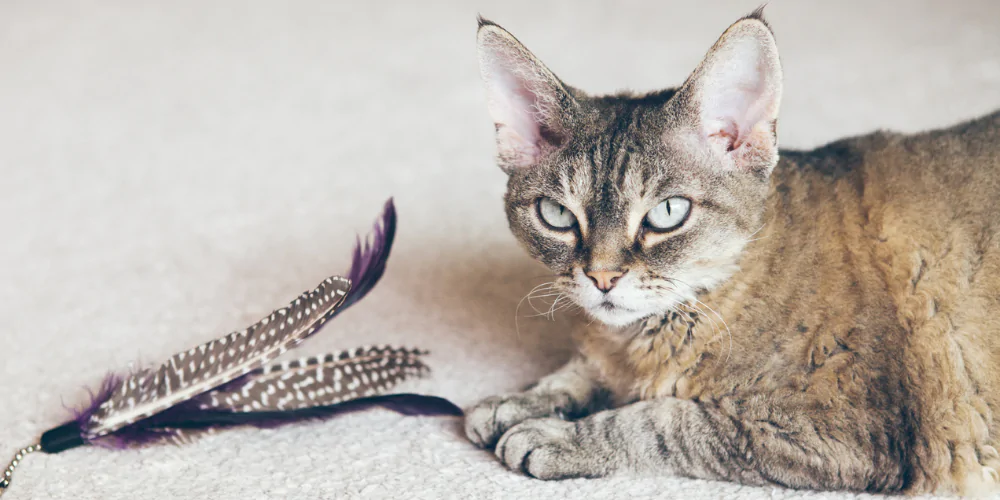
Kidney disease in cats

  • Up to £15,000 vet fees

  • No compulsory excess or bill share, even as your pet ages†

  • No upper age limit

  • Free 24/7 access to FirstVet video consultations

  • All pre-existing conditions considered*†

Why choose Petgevity pet cover for kidney disease in cats?

Vet fees up to £15,000

More info

To suit your pet’s needs, choose vet fee cover from £1,000 to £15,000. The limit resets every year you renew.

Design your own pet insurance

More info

Policies as unique as your pet. Set your own limits, excess and optional extras, for cover as snug as a collar.

Switch with unbroken cover

More info

If you switch to us from a like-for-like policy, there’ll be no gap in cover, with protection starting straight away**.

What is kidney disease in cats?

Content by Dr Nicole Olewinski – BVSc MRCVS

Kidney disease has many causes, but as kidney function declines, cats tend to develop similar symptoms. The kidneys are a sophisticated filtering system carefully balancing the levels of various substances in the blood and eliminating waste. They do a few other things too, like making hormones to regulate blood pressure and red blood cell production. 

Though many diseases can affect the kidneys, including congenital ones, the end result is the same: progressive damage that forces the remaining areas of a functional kidney to work harder and harder. Sadly, by the time a cat shows symptoms, significant irreversible kidney damage has often already occurred. 

What Causes What Causes
Overview
  • Chronic kidney disease (CKD) is very common in older cats
  • Kidney disease isn’t curable, but it can be manageable
  • Typical signs are drinking more, weeing more, eating less and losing weight  
  • Acute renal injury is a sudden, severe and very serious form of kidney disease
What Causes What Causes
What causes kidney disease in cats?

Although there are some specific issues that affect the kidneys, sometimes there isn’t a single trigger or cause for kidney disease.

The kidneys are delicate and anything that disrupts blood pressure or blood flow can cause damage. Over time, little injuries or scarring can build up, and as the remaining areas work harder, they become even more sensitive to injury. It’s a vicious cycle, and as cats age, changes in kidney structure and function become increasingly common.

Apart from general wear and tear, there are several conditions that can damage the kidneys:

  • Congenital and hereditary causes such as polycystic kidneys, amyloidosis, underdeveloped or missing kidneys
  • Viral or bacterial infections that target the kidneys or travel up into the kidneys from the bladder
  • Toxins like antifreeze typically cause acute renal injury, which can leave lasting damage if the cat is able to recover
  • Diseases that disrupt blood flow to the kidneys such as heart disease, blood clots or severe prolonged dehydration
  • Cancer affecting the kidney or elsewhere in the body 
  • Obstructions to the flow of urine, for example kidney stones or urethral blockage in male cats

Some medications can cause changes in blood flow through the kidneys, which – in a dehydrated cat or a cat that already has some kidney damage – can contribute to kidney injury or disease.

What Causes What Causes
Which breeds are most affected?

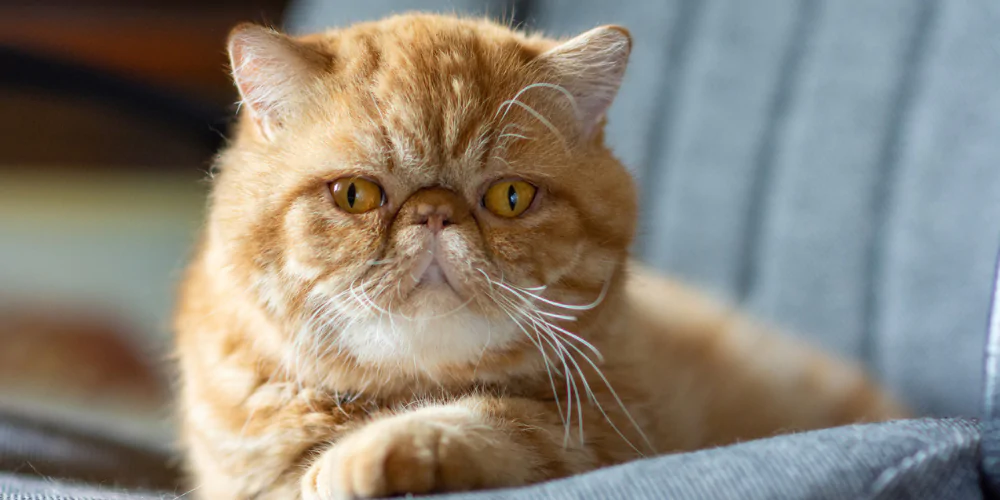
Kidney disease is common in all old cats regardless of breed. However, certain breeds are prone to conditions which can cause kidney disease to develop at a younger age. Persians and related breeds can inherit polycystic kidney disease (PKD), while Abyssinians and some related breeds have a higher risk of renal amyloidosis.

What Causes What Causes
What are the signs and symptoms of kidney disease in cats?

Though the classic signs of kidney disease are drinking more and producing more urine, this goes hand in hand with other symptoms which might include:

  • Loss of appetite
  • Weight loss, including muscle loss
  • Vomiting
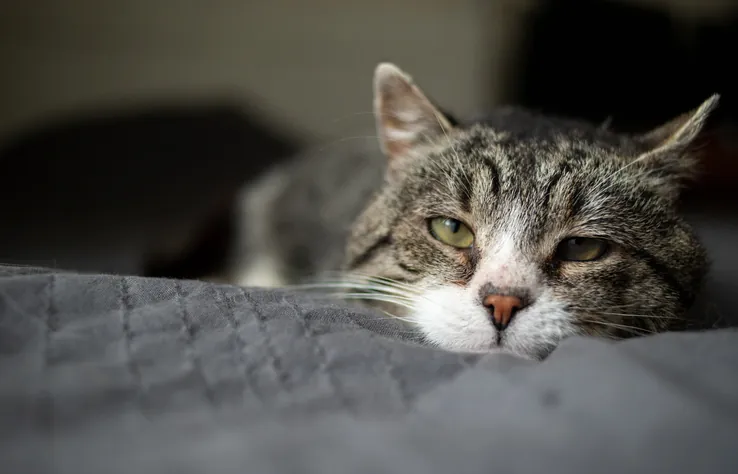
  • Lethargy, grooming less and sleeping more
  • Pale gums, a sign of anaemia
  • Constipation
  • Smelly breath, dribbling and a sore mouth 
  • Weakness or wobbliness
What Causes What Causes
Diagnosis

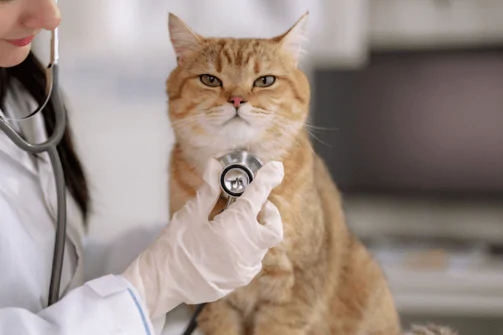
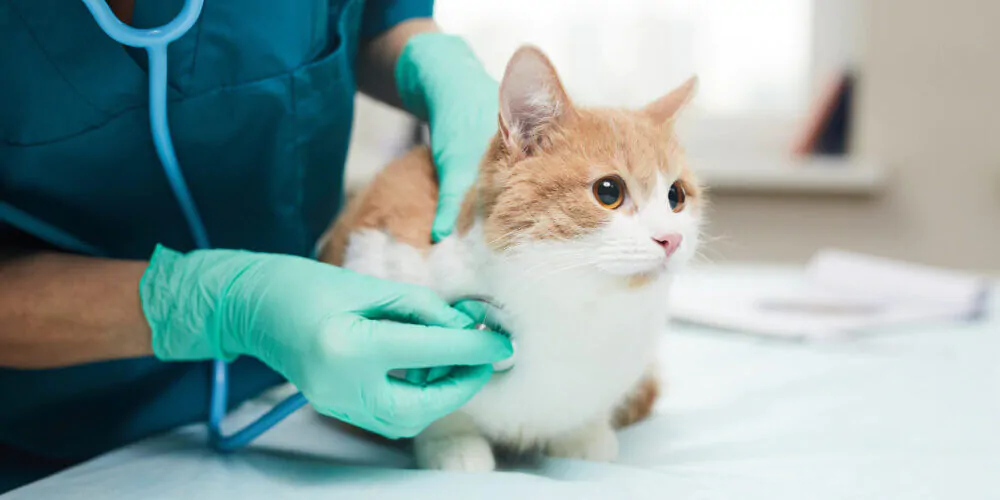
Diagnosing kidney disease is fairly straightforward, as parameters like urea and creatinine are included in many blood screening profiles. However, to try to determine how advanced the kidney disease is, vets often perform additional tests that include:

  • Electrolytes, phosphorus and calcium
  • Symmetric dimethylarginine (SDMA)
  • Blood pressure monitoring
  • Urine tests such as specific gravity and protein creatinine ratio 
  • Haematology to check for anaemia

If your cat is suspected to have a specific cause or trigger for their kidney disease, advanced imaging, genetic testing or even a kidney biopsy may be needed if a specific diagnosis would change treatment. 

It’s worth considering routine blood tests in older cats to catch renal disease early. While creatinine can vary between cats, it’s usually fairly stable within an individual cat. An upward trend, even if it’s still normal, can be an early warning sign.

What Causes What Causes
Treatment of kidney disease in cats

For the majority of cats with chronic kidney disease, treatment will include some or all of the following depending on severity:

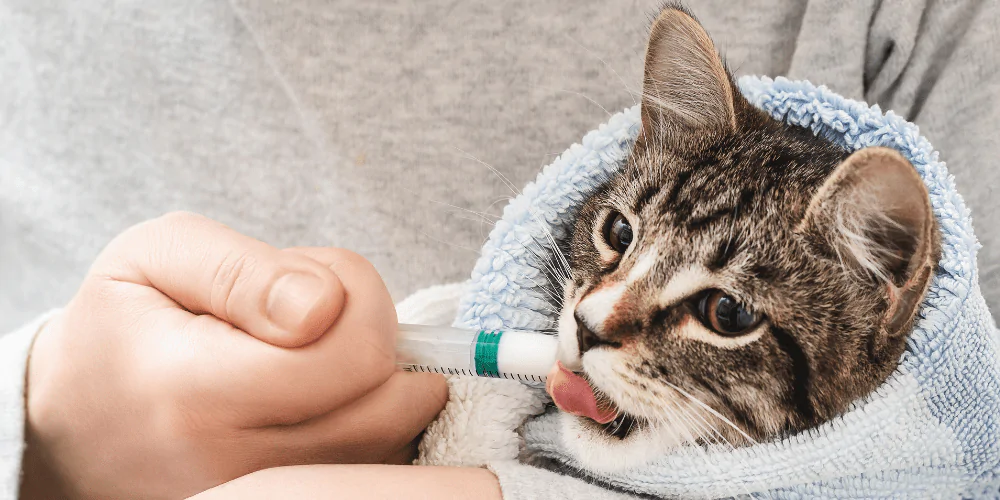
  • Fluid therapy: encouraging more drinking, giving fluids under the skin or, when appropriate, IV fluids
  • Renal diets or renal supplements
  • Phosphate binders  
  • Blood pressure management
  • Medication to support red blood cell production
  • Anti-nausea or appetite-boosting medications
  • Treatment for specific underlying causes
What Causes What Causes
Prognosis

Kidneys are essential and chronic kidney disease is progressive, meaning – sadly, at some point – owners will need to discuss euthanasia with their vets.

Because kidney disease has different stages of severity and is typically a disease of older cats, other problems can and do happen which make predicting how long a cat can live with kidney disease difficult. With early diagnosis, some cats live with chronic kidney disease for 2-5 years. 

What Causes What Causes
Our expert says…

“To first-time cat owners, a diagnosis of kidney disease can be terrifying. To long-time cat owners, it sometimes just feels like a fact of life. For anyone though, the first few days or weeks can be very stressful. Some cats need to be stabilised in hospital, and testing is needed to find out how advanced the kidney disease is. 

“After this, things can get easier, but there are three things I’d like to highlight. First, try a renal diet, even if you think your cat won’t eat it. The job of the kidneys is to deal with waste, so feeding the right balance of protein, phosphorus and nutrients can make life a bit easier for the kidneys and help preserve the remaining renal function. 

“Secondly, make it easier for your cat to stay hydrated. Maybe that’s switching to wet food, putting more water bowls round the house, buying a cat fountain or trying fluids under the skin at home. 

“Thirdly, do what’s right for you and your cat and don’t feel guilty. For example, kidney problems interfere with appetite, so already picky cats can become more difficult to feed. Independent ‘don’t mess with me’ cats may not tolerate more invasive treatments at home, like fluids under the skin, and cats with multiple health issues can be incredibly complex, near impossible to manage effectively.

“Because chronic kidney disease is progressive and irreversible, the aim is quality of life – minimising symptoms and stress and maximising comfort. You know your cat, and if trying to slow the progress of the disease is making their quality of life worse, say so.”

Dr Nicole Olewinski – BVSc MRCVS

What Causes What Causes
Can I get insurance for a cat with kidney disease?

If you’re thinking about buying a Petgevity Lifetime Plus policy, we’ll consider all pre-existing conditions when offering cover for your cat*. 

When you apply for cat insurance, you need to let us know: 

  • Which medical conditions they’ve had in the last two years 
  • Their health status now

Find out more about Petgevity’s cat insurance for pre-existing conditions.

What Causes What Causes

What’s included in your pet cover

Choosing Petgevity to protect your pets gives you more than just vet fee cover. Here's what you get from our policy.

Dental accident

More info

Covers your pet up to the chosen vet fee limit if they have a dental accident or injury. Always be sure to take your pet for annual dental check-ups, and follow your vet’s advice.

Behavioural treatment

More info

Get expert help with your pet’s mental and emotional wellbeing, as advised by your vet. Cover up to your chosen vet fee amount or the cost of up to 12 sessions, whichever is lower (Lifetime Plus); or up to £1,000 (Lifetime).

Complementary therapy

More info

As advised by your vet, this covers alternative treatments like acupuncture or hydrotherapy. Cover up to your chosen vet fee amount (Lifetime Plus); or up to chosen vet fee amount or £1,500, whichever is lower (Lifetime).

Emergency care

More info

If you can’t look after your pet due to an emergency, such as an unplanned hospital visit, this covers you for up to £1,500 (Lifetime Plus) in minding costs.

Third-party liability for dogs

More info

Covers you for legal costs if your dog causes injury to somebody or their pet, or causes loss or damage to someone’s property. Protects you for up to £2 million in a legal action.

Choice of optional extras

More info

Need extra protection? Choose from several optional extras to cover your pet’s needs, including dental illness, or cover if your pet is stolen or lost.

Award-winning pet insurance provider

best_pet_insurance_provider_logo

Defaqto 5 star rating when you choose vet fees over £4,000 with all optional add-ons included.

Basic cover alone has 3 star rating

best_pet_insurance_provider_logo

Three-time winner National Insurance Awards Pet Insurance Award 2022, 2023 & 2024.

best_pet_insurance_provider_logo

ERGO / compliance sign off
- shared resource

Compare our multi-pet cover†

petgevity-logo-white p-only-petgevitylogo ManyPets Petplan Agria
Maximum vet fees £15k per year £15k per year £12k per year £20k per year
Cover for pre-existing conditions? ✓ ✓ ✗ ✗
No compulsory excess? ✓ ✗ ✗ ✗
No compulsory co-payments for older pets? ✓ 20% (from age 9) 20% (from age 7) Min. 10% (from any age)
Tailor limits per pet on a multi-pet policy ✓ ✓ ✓ ✓
Dental treatment for accidents? ✓ ✓ ✓ ✓
Behavioural treatment and complementary therapy? ✓ ✓ ✓ ✓

†For Lifetime Plus policies only – details correct as of 10 September 2024 via competitor websites. Competitor products are subject to their own T&Cs and can have different limits and requirements for cats versus dogs at different ages. For full details, please check the relevant policy wording.
For full details of Petgevity pet insurance, please read our policy wording.

Frequently asked questions about kidney disease

  • What is the life expectancy of a cat with kidney disease?

    Life expectancy can be anywhere from weeks to several years, depending on the severity – or stage – of the kidney disease and the cause. Cats diagnosed with early-stage chronic kidney disease can sometimes live for many years with appropriate management.

  • What are the first signs of kidney disease in cats?

    The first signs are often drinking and urinating more, though in cats who like to spend a lot of time outdoors, you may only notice gradual weight loss.

  • Can cats recover from kidney disease?

    Cats can recover from an acute kidney injury, though some damage may remain even if the kidneys return to normal function. Chronic renal disease is not something that a cat can recover from because the damage is permanent, although treatment can slow its progression and reduce the symptoms. 

  • Can I prevent my cat from developing kidney disease?

    No, there’s no guaranteed way to prevent the chronic renal disease, particularly as cats get older. But there are ways to reduce the wear and tear kidneys accumulate over time. Protecting your cat from toxins, providing a good quality diet and making staying hydrated easy all make life easier for the kidneys.

  • Is kidney failure terminal in cats?

    Chronic kidney disease is ultimately terminal, though some cats can live for several years after a diagnosis of early-stage kidney disease. For acute kidney injuries, recovery is possible in some cases, but lasting damage may remain.

†Lifetime Plus policies only

*Cover for pre-existing medical conditions is subject to acceptance. They will not be covered unless you have declared them and they are shown on your Confirmation of Cover.

**Illnesses and symptoms won’t be covered in the first 14 days and accidents won’t be covered in the first 2 days of the policy. This is unless you are switching from another lifetime pet insurance product with no break in cover and the claim you want to make would have been covered by your previous policy. Other exclusions may apply to other sections.