Vet fees up to £15,000
To suit your pet’s needs, choose vet fee cover from £1,000 to £15,000. The limit resets every year you renew.
Design your own pet insurance
Policies as unique as your pet. Set your own limits, excess and optional extras, for cover as snug as a collar.
Switch with unbroken cover
If you switch to us from a like-for-like policy, there’ll be no gap in cover, with protection starting straight away**.
Content by Emma Chandley BVetMed PGCertSAS MRCVS
Mast cell tumours (MCTs) are one of the most common skin cancers seen in dogs. They develop from mast cells, which are a normal type of immune cell involved in allergic and inflammatory responses. Mast cells contain substances such as histamine and heparin, which are released during inflammation.
When these cells become cancerous, they can form tumours within the skin, and less commonly in deeper tissues. Mast cell tumours can behave very differently from one dog to another. Some remain small and slow-growing for long periods, while others are much more aggressive and capable of spreading to lymph nodes, the liver, spleen or other organs.
One of the more frustrating aspects of mast cell tumours is that they can look very different from one another. Some resemble small harmless skin lumps, while others become swollen, red, ulcerated or itchy.
The exact cause of mast cell tumours isn’t fully understood. Like many cancers, they’re thought to develop through a combination of genetic and environmental influences. Certain breeds appear genetically predisposed, suggesting inherited factors play an important role.
Mutations involving a protein called KIT are identified in some mast cell tumours and may influence tumour behaviour and growth. Unlike some cancers, there’s no strong evidence linking mast cell tumours to a specific toxin, diet or lifestyle factor. In most cases, there’s nothing an owner has done wrong to cause the condition.
Several breeds are recognised as having an increased risk of mast cell tumours. These breeds include:
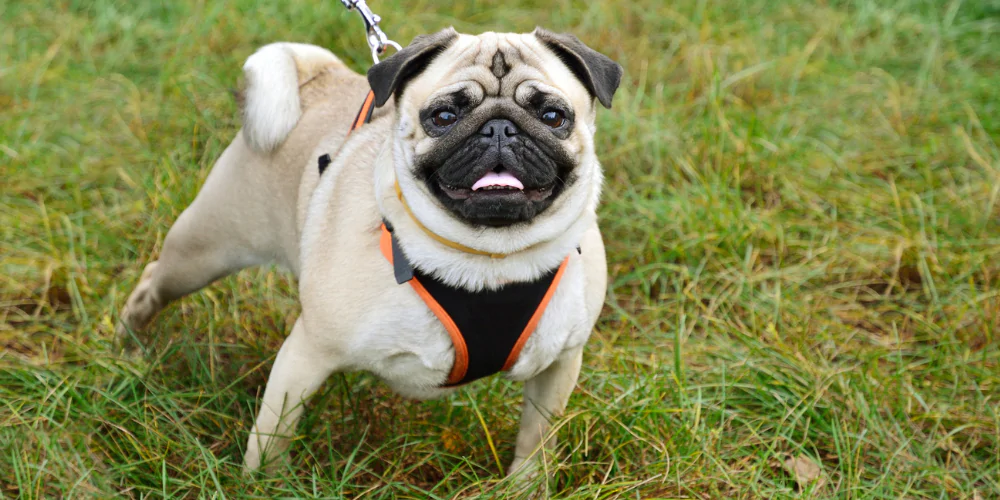
Boxers and Pugs can often develop lower-grade tumours, while some other breeds may be more prone to aggressive forms.
Be aware though that mast cell tumours can occur in any breed, including crossbreeds.
The most common sign of a mast cell tumour is a lump in or under the skin. These lumps can vary enormously in appearance. Some are small, soft and slow-growing, while others become inflamed, swollen or ulcerated.
Signs may include:
Some mast cell tumours release histamine and other inflammatory chemicals, which can cause the lump to suddenly become larger or more irritated. Occasionally, dogs develop vomiting, reduced appetite or stomach ulcers due to excessive histamine release, although this is less common.
As mast cell tumours can mimic many other types of skin lump, it’s not usually possible to diagnose them accurately just by appearance alone.
Diagnosis typically begins with a fine needle aspiration biopsy, where a small sample of cells is collected using a needle and then examined under a microscope. Mast cell tumours often have characteristic cells that can be identified relatively easily. Once diagnosed, additional tests may be recommended to assess how aggressive the tumour is and whether it has spread. These investigations can include:
Tumours are often graded by a laboratory after surgical removal. The grade helps predict how likely the tumour is to behave aggressively or recur.

Treatment depends on several factors, including tumour size, location, grade and whether there is evidence of spread. Surgery is usually the main treatment for localised mast cell tumours. The aim is to remove the tumour completely along with a margin of surrounding healthy tissue. Some areas of the body make this more challenging, particularly the legs, face or groin area.
Additional treatment may be recommended for higher-grade or incompletely removed tumours. Options can include:
Some dogs require referral to specialist oncology services depending on the complexity of the case.
The prognosis for mast cell tumours varies considerably. Many low-grade tumours that are completely removed carry an excellent prognosis. Some dogs go on to have no further problems following complete surgical removal. Higher-grade tumours behave more aggressively and may recur or spread despite treatment.
Factors influencing prognosis include:
Early diagnosis generally improves treatment options and outcomes.
“One of the reasons mast cell tumours can be difficult is that they don’t always look particularly alarming at first. In practice, I’ve seen some very small, innocent looking lumps that turn out to be mast cell tumours, while some larger dramatic looking masses are actually benign. This is why vets often recommend sampling skin lumps earlier rather than simply ‘keeping an eye on them’.
“It’s a very stressful time for owners when they are told their dog has cancer, but it’s important to remember mast cell tumours vary hugely in behaviour. Many dogs with low-grade tumours do extremely well after surgery with no further problems.”
Emma Chandley BVetMed PGCertSAS MRCVS
When getting a quote for Petgevity Lifetime Plus dog insurance, tell us about your dog’s mast cell tumour, including whether they’ve received treatment or surgery in the last two years. Be sure to also declare any other conditions they’ve had during that time*.
It’s important to list your dog’s conditions when taking out pet insurance, so you increase your chances of a successful claim in future.
Find out more about our dog insurance for pre-existing medical conditions.
Choosing Petgevity to protect your pets gives you more than just vet fee cover. Here's what you get from our policy.
Dental accident
Covers your pet up to the chosen vet fee limit if they have a dental accident or injury. Always be sure to take your pet for annual dental check-ups, and follow your vet’s advice.
Behavioural treatment
Get expert help with your pet’s mental and emotional wellbeing, as advised by your vet. Cover up to your chosen vet fee amount or the cost of up to 12 sessions, whichever is lower (Lifetime Plus); or up to £1,000 (Lifetime).
Complementary therapy
As advised by your vet, this covers alternative treatments like acupuncture or hydrotherapy. Cover up to your chosen vet fee amount (Lifetime Plus); or up to chosen vet fee amount or £1,500, whichever is lower (Lifetime).
Emergency care
If you can’t look after your pet due to an emergency, such as an unplanned hospital visit, this covers you for up to £1,500 (Lifetime Plus) in minding costs.
Third-party liability for dogs
Covers you for legal costs if your dog causes injury to somebody or their pet, or causes loss or damage to someone’s property. Protects you for up to £2 million in a legal action.
Choice of optional extras
Need extra protection? Choose from several optional extras to cover your pet’s needs, including dental illness, or cover if your pet is stolen or lost.
Defaqto 5 star rating when you choose vet fees over £4,000 with all optional add-ons included.
Basic cover alone has 3 star rating
Three-time winner National Insurance Awards Pet Insurance Award 2022, 2023 & 2024.
Awarded Best Pet Insurance Provider at The Money Mentor Awards 2024
†For Lifetime Plus policies only – details correct as of 10 September 2024 via competitor websites. Competitor products are subject to their own T&Cs and can have different limits and requirements for cats versus dogs at different ages. For full details, please check the relevant policy wording. For full details of Petgevity pet insurance, please read our policy wording.
Mast cell tumours are cancers arising from mast cells, which are part of the immune system. They most commonly affect the skin, but can occasionally involve deeper tissues or internal organs.
Mast cell tumours can look very variable. Some appear as small soft lumps beneath the skin, while others become red, swollen, ulcerated and are very itchy. Size can sometimes fluctuate over time.
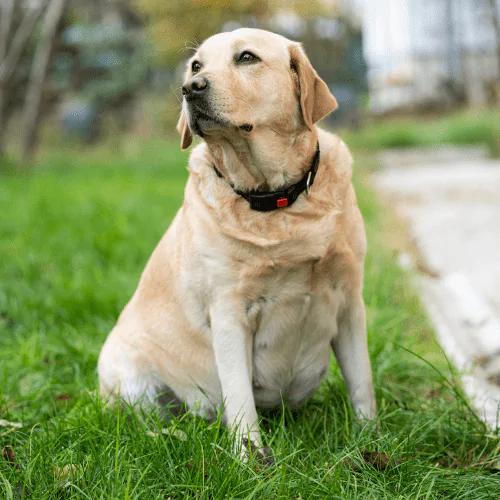
Boxers, Staffordshire Bull Terriers, Pugs, Labrador Retrievers and Golden Retrievers are among the breeds more commonly affected. However, mast cell tumours can occur in any dog.
Diagnosis usually involves fine needle aspiration, where cells are collected from the lump using a needle. Further testing may then be recommended to assess tumour grade and whether spread has occurred.
Yes, they can spread to other parts of the body. Some mast cell tumours are aggressive and can spread to lymph nodes, the liver, spleen or other organs. The likelihood of spread depends largely on the tumour grade and biological behaviour.
Mast cell tumours can vary enormously in how they behave. Some are relatively straightforward to remove, while others require more extensive surgery, advanced imaging, chemotherapy and ongoing monitoring. Costs can increase quickly, particularly if referral treatment or repeated procedures are needed.
Petgevity’s Lifetime Plus policies provide up to £15,000 in vet fee cover each year, with no compulsory excess or bill share as your dog gets older†. Policies also include free 24/7 access to FirstVet video consultations, which may help owners decide when a new lump should be checked by a vet.
Because some mast cell tumours can recur or require long-term follow-up, ongoing insurance cover may help owners manage future veterinary costs with greater confidence.
†Lifetime Plus policies only
*Cover for pre-existing medical conditions is subject to acceptance. They will not be covered unless you have declared them and they are shown on your Confirmation of Cover.
**Illnesses and symptoms won’t be covered in the first 14 days and accidents won’t be covered in the first 2 days of the policy. This is unless you are switching from another lifetime pet insurance product with no break in cover and the claim you want to make would have been covered by your previous policy. Other exclusions may apply to other sections.