Lipoma or fatty lumps in dogs

  • Up to £15,000 vet fees

  • No compulsory excess or bill share, even as your pet ages†

  • No upper age limit

  • Free 24/7 access to FirstVet video consultations

  • All pre-existing conditions considered*†

Why choose Petgevity pet cover for lipoma in dogs?

Vet fees up to £15,000

More info

To suit your pet’s needs, choose vet fee cover from £1,000 to £15,000. The limit resets every year you renew.

Design your own pet insurance

More info

Policies as unique as your pet. Set your own limits, excess and optional extras, for cover as snug as a collar.

Switch with unbroken cover

More info

If you switch to us from a like-for-like policy, there’ll be no gap in cover, with protection starting straight away**.

What are lipomas or fatty lumps in dogs?

Content by Emma Chandley BVetMed PGCertSAS MRCVS

Lipomas are benign (non-cancerous) growths made up of fat cells that develop just beneath the skin. They’re one of the most common types of lumps seen in dogs, particularly as they get older. They will usually present as soft, slightly squishy lumps that can be moved gently under the skin.

These lumps tend to grow slowly and are often found on the chest, abdomen or limbs. While they’re usually harmless, it’s important not to assume that every lump found is a lipoma. Different types of growths can look and feel similar, so any new lump should always be checked over by a vet.

Although most lipomas remain small and don’t cause any problems, some can grow large or develop in awkward positions where they may interfere with movement. For this reason, monitoring changes over time is a very important part of managing them.

What Causes What Causes
Overview
  • Lipomas are benign growths made up of fat cells that usually sit beneath the skin
  • They’re commonly seen in middle-aged to older dogs
  • Most are soft, slow growing and not painful
  • They can occur anywhere on the body, but are often found on the chest or abdomen
  • Veterinary assessment is important to confirm the diagnosis
What Causes What Causes
What causes lipoma in dogs?

The exact cause of lipomas in dogs isn’t fully understood, but there are a few factors that seem to play a role. They’re seen much more commonly in older dogs, so age is thought to be an important factor. Changes in how the body stores and processes fat over time may also contribute.

Genetics are also thought to be involved, as certain breeds seem more predisposed. It’s also been suggested that dogs who are overweight may be more likely to develop lipomas, although lipomas do occur in dogs with a healthy body condition as well.

In most cases, lipomas aren’t linked to any underlying illness. They tend to develop gradually and independently, rather than as part of a wider disease process.

What Causes What Causes
Which breeds are most affected?

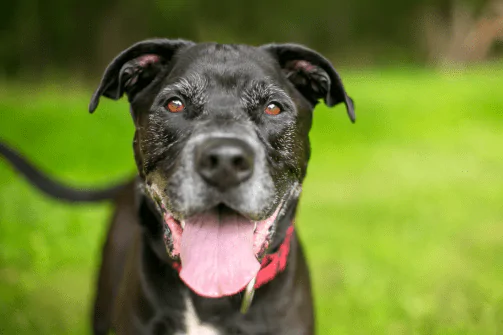
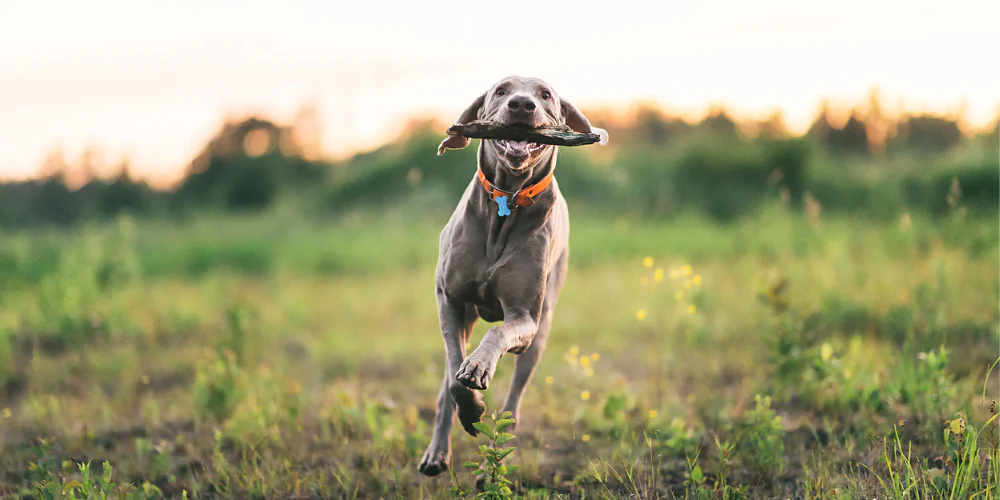
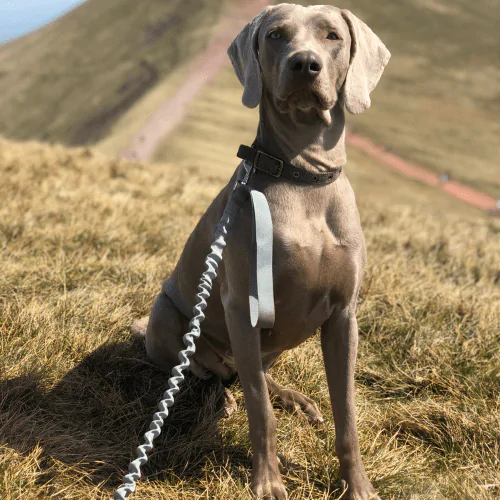
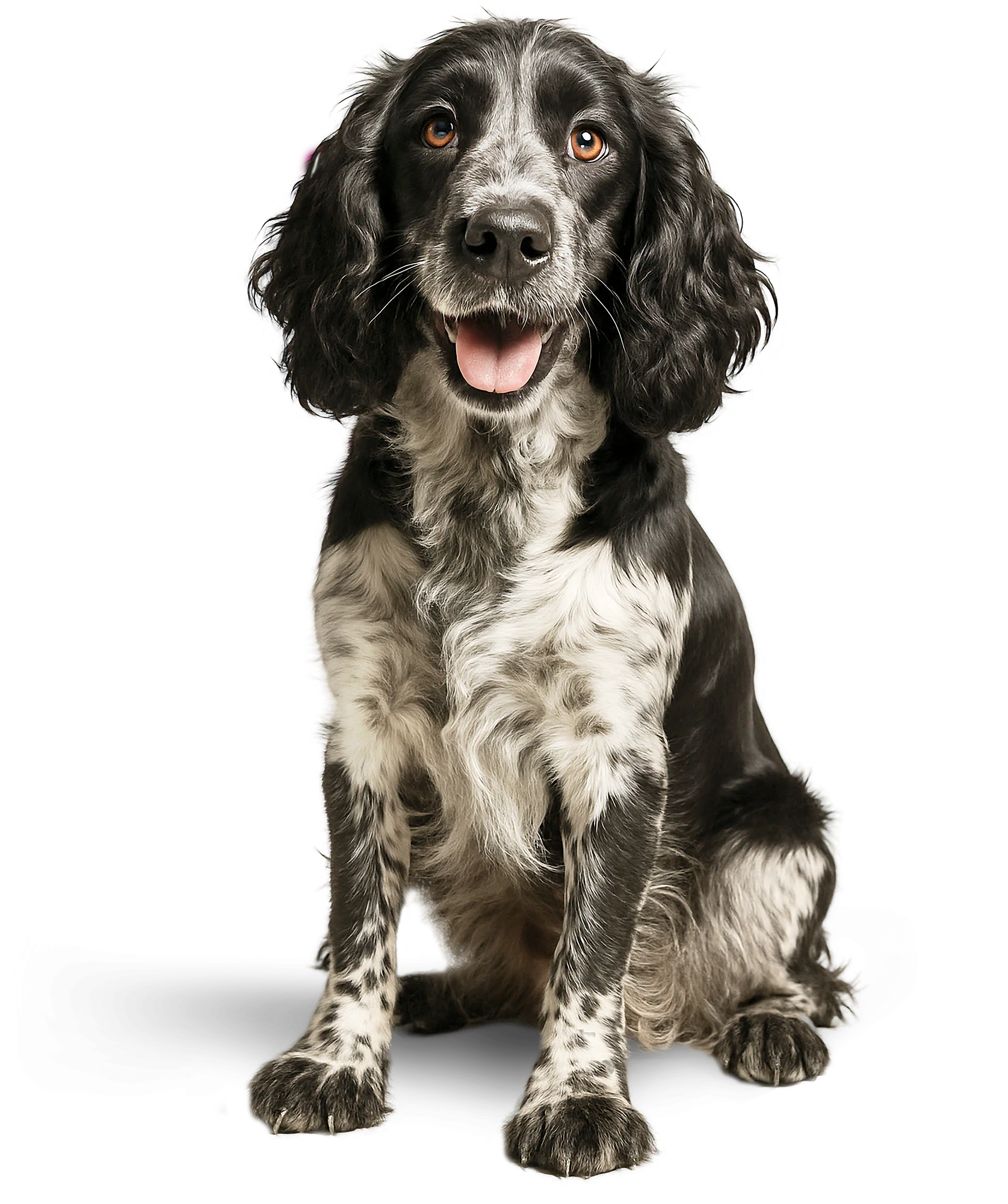
Lipomas can be seen in any type of dog, but they are more commonly diagnosed in certain breeds such as:

These breeds are often mentioned as being more predisposed, alongside a number of other medium to large breeds. Despite this, no breed is completely exempt. Smaller dogs and crossbreeds can also develop lipomas, as seen frequently in vet practices.

Body condition is always an important consideration. Dogs that carry excess weight may be more prone to developing fatty lumps, and maintaining a healthy weight can help support overall wellbeing, including joint and skin health.

What Causes What Causes
What are the signs and symptoms of lipoma?

Most lipomas are discovered incidentally by owners when they are stroking or grooming their dog. They typically present as soft, rounded lumps beneath the skin that can often be moved slightly when touched.

They’re usually not painful and do not affect a dog’s behaviour or appetite. In many cases, the only noticeable change is the presence of the lump itself.

Larger lipomas or those located near joints or between muscles can occasionally cause discomfort or restrict movement. A change in size, shape or firmness of any lump should always be checked, as this may indicate that further investigation is needed.

Diagnosis

Diagnosis usually begins with a thorough clinical examination. Your vet will assess the size, texture and location of the lump. They’ll ask some questions about how long it’s been present and if there have been any recent changes 

A fine needle aspirate (FNA) is then usually performed. This involves taking a small sample of cells from the lump using a needle, which can then be examined under a microscope. In many cases, this is enough to confirm whether the lump is a lipoma.

If there’s any uncertainty, or if the lump has unusual features, further tests such as a larger biopsy or imaging may be advised.


What Causes What Causes
Treatment of lipoma or fatty lumps

Many lipomas don’t require any treatment and can simply be monitored over time. If the lump is small, not causing discomfort and has been confirmed as benign, your vet may recommend a watch-and-wait approach.

Surgical removal may be considered if the lipoma is growing rapidly, interfering with movement or located in an area where it could cause problems. Surgery is generally straightforward, although the complexity can vary depending on the size and position of the lump.

In some cases, particularly with deeper or more invasive lipomas, referral to a specialist may be recommended.

Prognosis

The outlook for dogs with lipomas is generally very good. Most remain benign and do not affect quality of life negatively. If a lipoma is surgically removed, it is usually curative for that particular lump. However, some dogs may go on to develop additional lipomas elsewhere over time. Regular monitoring and routine veterinary checks help ensure that any changes are identified early.

What Causes What Causes
Our expert says...

“Lipomas are something we see very frequently in general practice, and they’re often a source of (understandable) concern for owners when they first notice a new lump on their dog. It can be quite alarming to suddenly feel something that wasn’t there before, particularly as many lumps can feel quite prominent under the skin.

“The reassuring part is that a large proportion of these growths turn out to be benign fatty lumps and don’t go on to cause any problems or require treatment.

“Despite this, it’s always important to have any new lump checked sooner rather than later, instead of assuming it’s harmless. Even with experience, it isn’t possible to reliably identify every lump just by feeling it, which is why simple tests such as a fine needle aspirate are so useful in practice. These quick, minimally invasive tests can often give us a clear idea of what we’re dealing with.

“It can also be helpful for owners to keep a note of any lumps they find, including where they are and whether they seem to be changing over time. If a lump increases in size, changes in texture, or new lumps appear, it’s always worth having them reassessed. In general, the earlier we check things, the easier it is to get clear answers and decide on the most appropriate course of action.”

Emma Chandley BVetMed PGCertSAS MRCVS

What Causes What Causes
Can I get insurance for a dog with lipoma?

Tell us about your dog’s lipoma when you get a quote for Lifetime Plus insurance and we’ll see if we can cover them*.

You must tell us about all the conditions they’ve had in the last two years – including those which need ongoing treatment, monitoring or check-ups. This way we can offer the exact level of cover for your dog’s individual needs. 

Find out more about our dog insurance for pre-existing medical conditions.

What Causes What Causes

What’s included in your pet cover

Choosing Petgevity to protect your pets gives you more than just vet fee cover. Here's what you get from our policy.

Dental accident

More info

Covers your pet up to the chosen vet fee limit if they have a dental accident or injury. Always be sure to take your pet for annual dental check-ups, and follow your vet’s advice.

Behavioural treatment

More info

Get expert help with your pet’s mental and emotional wellbeing, as advised by your vet. Cover up to your chosen vet fee amount or the cost of up to 12 sessions, whichever is lower (Lifetime Plus); or up to £1,000 (Lifetime).

Complementary therapy

More info

As advised by your vet, this covers alternative treatments like acupuncture or hydrotherapy. Cover up to your chosen vet fee amount (Lifetime Plus); or up to chosen vet fee amount or £1,500, whichever is lower (Lifetime).

Emergency care

More info

If you can’t look after your pet due to an emergency, such as an unplanned hospital visit, this covers you for up to £1,500 (Lifetime Plus) in minding costs.

Third-party liability for dogs

More info

Covers you for legal costs if your dog causes injury to somebody or their pet, or causes loss or damage to someone’s property. Protects you for up to £2 million in a legal action.

Choice of optional extras

More info

Need extra protection? Choose from several optional extras to cover your pet’s needs, including dental illness, or cover if your pet is stolen or lost.

Award-winning pet insurance provider

best_pet_insurance_provider_logo

Defaqto 5 star rating when you choose vet fees over £4,000 with all optional add-ons included.

Basic cover alone has 3 star rating

best_pet_insurance_provider_logo

Three-time winner National Insurance Awards Pet Insurance Award 2022, 2023 & 2024.

best_pet_insurance_provider_logo

Awarded Best Pet Insurance Provider at The Money Mentor Awards 2024

Compare our multi-pet cover

petgevity-logo-white p-only-petgevitylogo ManyPets Petplan Agria
Maximum vet fees £15k per year £15k per year £12k per year £20k per year
Cover for pre-existing conditions?
No compulsory excess?
No compulsory co-payments for older pets? 20% (from age 9) 20% (from age 7) Min. 10% (from any age)
Tailor limits per pet on a multi-pet policy
Dental treatment for accidents?
Behavioural treatment and complementary therapy?

†For Lifetime Plus policies only – details correct as of 10 September 2024 via competitor websites. Competitor products are subject to their own T&Cs and can have different limits and requirements for cats versus dogs at different ages. For full details, please check the relevant policy wording.
For full details of Petgevity pet insurance, please read our policy wording.

Frequently asked questions about lipoma

  • Are fatty lumps in dogs dangerous?

    Most fatty lumps, or lipomas, are benign and do not pose a serious risk to health. However, it’s important to have any lump checked by a vet, as not all lumps are harmless and benign.

  • How can I tell if a lump is cancerous?

    It’s not usually possible to tell just by looking or feeling a lump. There are tests your vet can carry out, such as a fine needle aspirate or biopsy. These are needed to determine exactly what cells are growing in a lump, and if they’re cancerous or not.

  • Should lipomas be removed?

    Removal isn’t always necessary. Lipomas are often left alone if they are not causing any problems, but surgery may be recommended if they grow, become uncomfortable or interfere with movement.

  • Can dogs have multiple lipomas?

    Yes, some dogs develop several lipomas over time. This is relatively common, particularly in older dogs, and each lump should be assessed individually.

  • When should I get a lump checked?

    Any new lump should be checked by a vet as soon as it’s noticed. It’s also important to have existing lumps reassessed if they change in size, shape or firmness, especially if this occurs over a short space of time.

†Lifetime Plus policies only

*Cover for pre-existing medical conditions is subject to acceptance. They will not be covered unless you have declared them and they are shown on your Confirmation of Cover.

**Illnesses and symptoms won’t be covered in the first 14 days and accidents won’t be covered in the first 2 days of the policy. This is unless you are switching from another lifetime pet insurance product with no break in cover and the claim you want to make would have been covered by your previous policy. Other exclusions may apply to other sections.