Bladder stones in dogs

  • Up to £15,000 vet fees

  • No compulsory excess or bill share, even as your pet ages†

  • No upper age limit

  • Free 24/7 access to FirstVet video consultations

  • All pre-existing conditions considered*†

Why choose Petgevity pet cover for bladder stones in dogs?

Vet fees up to £15,000

More info

To suit your pet’s needs, choose vet fee cover from £1,000 to £15,000. The limit resets every year you renew.

Design your own pet insurance

More info

Policies as unique as your pet. Set your own limits, excess and optional extras, for cover as snug as a collar.

Switch with unbroken cover

More info

If you switch to us from a like-for-like policy, there’ll be no gap in cover, with protection starting straight away**.

What are bladder stones in dogs?

Content by Emma Chandley BVetMed PGCertSAS MRCVS 

Bladder stones, also known as uroliths or cystic calculi, are hard mineral deposits that form within the urinary bladder. They can vary quite a bit in size, number and composition. Some dogs develop a single larger stone, while others may have many smaller stones sitting in the bladder at the same time. In some cases, stones can also become lodged in the urethra or other locations in the urinary tract. 

These stones can irritate the bladder lining and interfere with normal urination. In some cases, they may partially or completely block the flow of urine, particularly in male dogs. A urinary blockage is considered an emergency and requires immediate veterinary attention.

Several different minerals can form bladder stones. The most common types seen in dogs are struvite and calcium oxalate stones, although urate and cystine stones are also recognised. The underlying cause can vary depending on the type of stone present.

What Causes What Causes
Overview
  • Bladder stones are mineral deposits that form inside the bladder
  • Common signs include blood in the urine and straining to urinate
  • Some stones can be dissolved medically, while others require surgery
  • Male dogs are at higher risk of dangerous urinary blockage
  • Recurrence can occur, so long-term monitoring is often important
What Causes What Causes
What causes bladder stones in dogs?

Bladder stones develop when minerals within the urine begin to crystallise and gradually stick together over time. Normally, urine contains substances that help prevent this process, but certain conditions can allow crystals to form more easily. The exact cause depends partly on the type of stone involved.

Struvite stones are commonly associated with urinary tract infections, particularly infections caused by bacteria that alter urine pH. These stones are seen more frequently in female dogs because urinary infections are generally more common in females.

Calcium oxalate stones are not usually linked to infection. They’re thought to develop due to a combination of genetics, diet, urine concentration and metabolic factors.

Other contributing factors can include:

  • Low water intake
  • Concentrated urine
  • Dietary influences
  • Underlying liver disease
  • Certain inherited conditions
  • Urinary tract abnormalities

Some dogs may also have repeated urinary infections or chronic inflammation within the bladder, which can increase the risk of stone formation.

What Causes What Causes
Which breeds are most affected?

Certain breeds appear to have a higher risk of developing bladder stones – although bladder stones can develop in any dog. Factors such as age, sex, diet and underlying health conditions also play a role. 

Breeds commonly affected by calcium oxalate stones include:

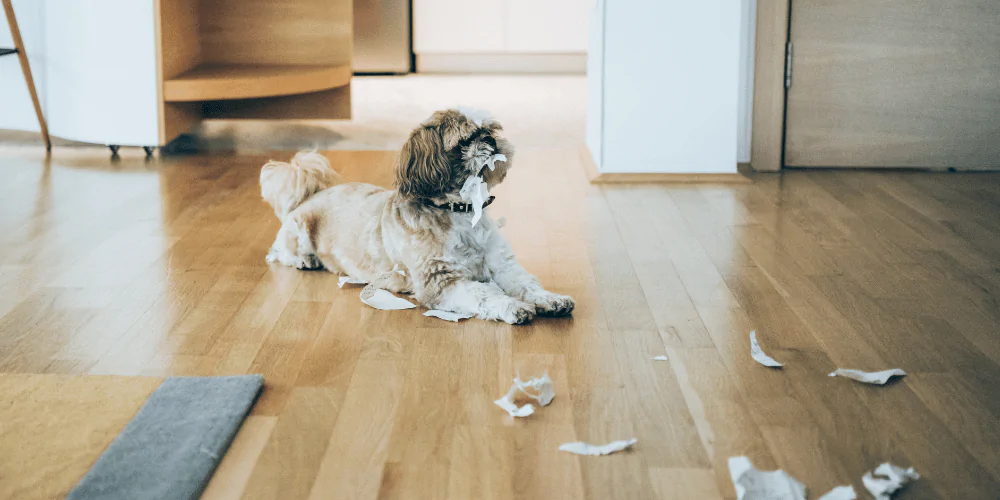
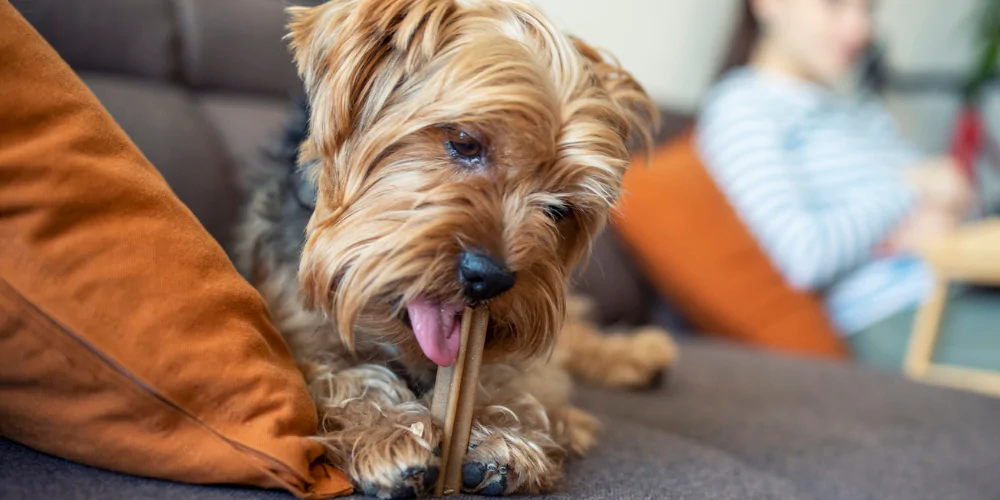
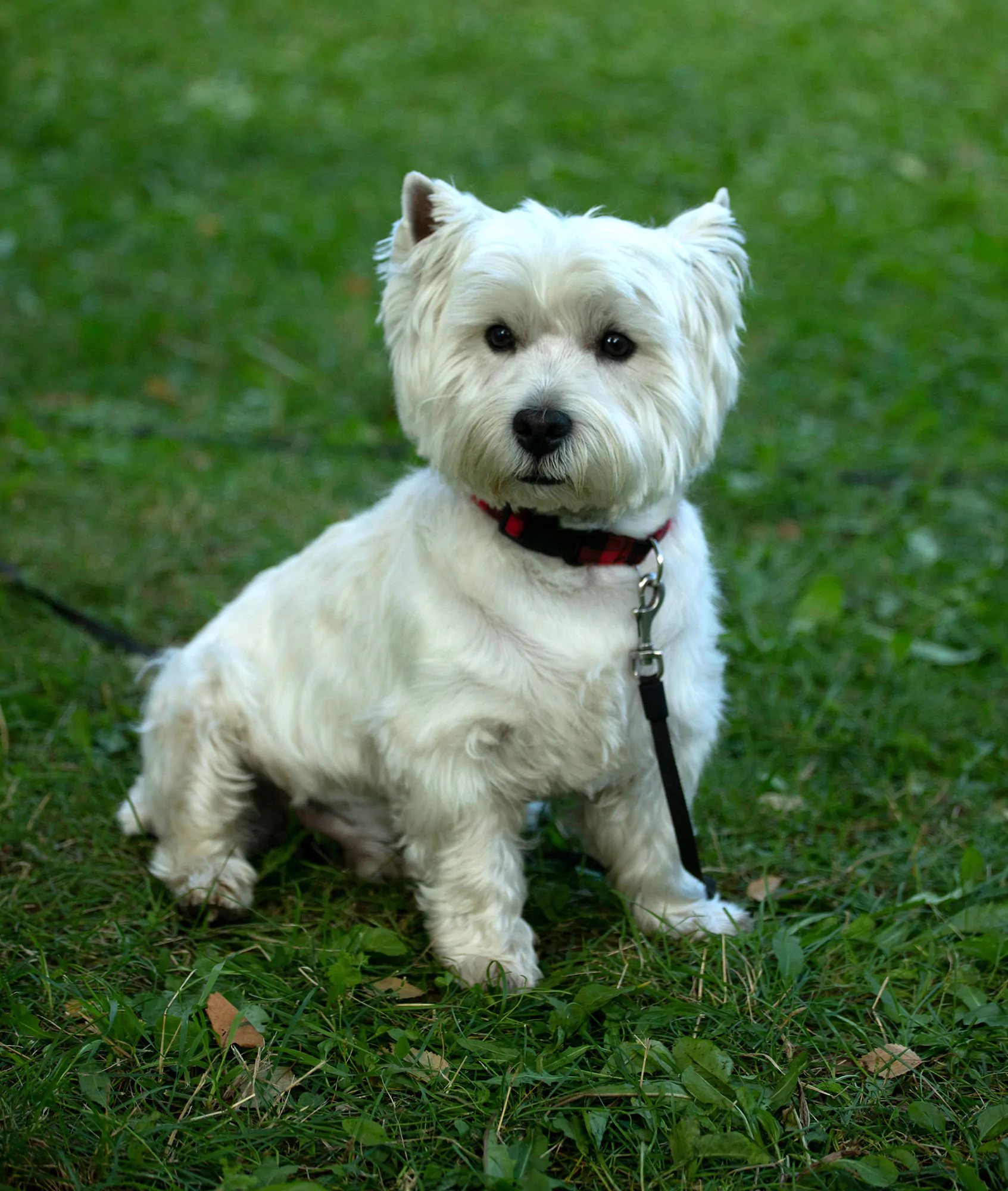
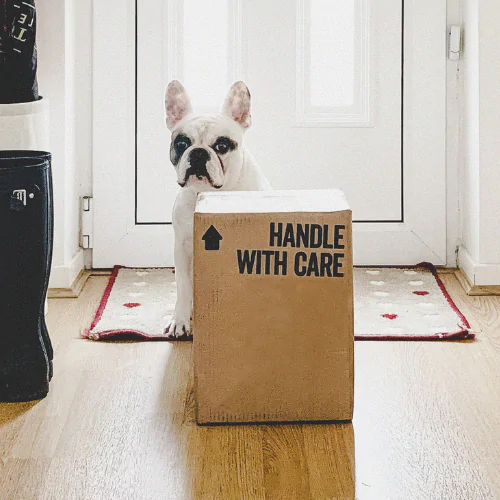
Dalmatians are particularly predisposed to urate stones due to an inherited abnormality affecting uric acid metabolism. English Bulldogs and some other breeds can develop cystine stones linked to inherited amino acid transport abnormalities.

What Causes What Causes
What are the signs and symptoms of bladder stones?

The signs of bladder stones can vary depending on the size, number and location of the stones.

Common symptoms include:

  • Straining to urinate
  • Passing small amounts of urine more frequently than usual
  • Blood present in the urine
  • Pain or discomfort when urinating
  • Urinating indoors unexpectedly
  • Excessive licking around the genital area
  • Recurrent urinary tract infections

Some dogs may seem unsettled or uncomfortable after urinating. Others develop only mild signs initially, particularly if the stones are small.

If a stone moves into the urethra and blocks urine flow, signs can become much more severe. A blocked dog may strain repeatedly without producing urine, become distressed, vomit or collapse. Complete urinary obstruction is a medical emergency that requires immediate veterinary attention. 

Diagnosis

Diagnosis of bladder stones usually involves a combination of history, a thorough physical examination and urine testing. Your vet may detect discomfort when palpating your dog’s abdomen and urine samples often reveal blood, crystals or evidence of infection.

Imaging is important for confirming the presence of stones. X-rays can identify many types of bladder stones, while ultrasound is useful for assessing the bladder wall and detecting stones that may not show clearly on radiographs.

In some cases, additional tests are recommended to help determine the type of stone present and identify any underlying causes.


What Causes What Causes
Treatment of bladder stones

Treatment depends on the type of stone, the severity of signs and whether any urinary obstruction is present. Some struvite stones can be dissolved using specially formulated prescription diets combined with appropriate antibiotics if infection is present. Dissolution can take several weeks to months and requires close monitoring.

Many other stones cannot be dissolved and need physical removal instead. Surgery to remove bladder stones is called a cystotomy and this is one of the most common treatment options. Less invasive procedures may sometimes be available in referral settings depending on stone size and location.

Supportive treatment may include:

  • Pain relief
  • Antibiotics where appropriate
  • Increasing water intake
  • Dietary management
  • Treatment of underlying conditions

Long-term management often focuses on reducing the risk of stones returning. This often involves prescription diets, encouraging good hydration and regular monitoring of urine samples.

Prognosis

The prognosis for bladder stones is usually very good when diagnosed and treated quickly. Most dogs do very well once the stones have been removed, whether that involves surgery or dietary dissolution. Some stone types do have a tendency to recur though, particularly if there is an underlying predisposition, so ongoing monitoring is often advised.

Dogs that develop urinary obstruction can become very ill very quickly if treatment is delayed. Prompt intervention generally improves outcomes significantly.

What Causes What Causes
Our expert says...

“One of the more challenging aspects of bladder stones is that the early signs can look very similar to a simple urinary tract infection. Owners often notice increased frequency of urination or small spots of blood in the urine and understandably assume it’s ‘just cystitis’. In practice, this is one reason urine testing and imaging are so important, especially in dogs with recurring urinary signs.

“Male dogs with bladder stones always make me slightly more cautious because of the risk of urethral obstruction. Some dogs can deteriorate surprisingly quickly if they become blocked, so changes such as repeated straining without producing urine should never be ignored.”

Emma Chandley BVetMed PGCertSAS MRCVS

What Causes What Causes
Can I get insurance for a dog with bladder stones?

When getting a quote for Petgevity Lifetime Plus dog insurance, tell us about your dog’s bladder stones, plus any other conditions they’ve had in the past two years*.

It’s important to list your dog’s conditions when taking out pet insurance, so you increase your chances of a successful claim in future.  

Find out more about our dog insurance for pre-existing medical conditions.

What Causes What Causes

What’s included in your pet cover

Choosing Petgevity to protect your pets gives you more than just vet fee cover. Here's what you get from our policy.

Dental accident

More info

Covers your pet up to the chosen vet fee limit if they have a dental accident or injury. Always be sure to take your pet for annual dental check-ups, and follow your vet’s advice.

Behavioural treatment

More info

Get expert help with your pet’s mental and emotional wellbeing, as advised by your vet. Cover up to your chosen vet fee amount or the cost of up to 12 sessions, whichever is lower (Lifetime Plus); or up to £1,000 (Lifetime).

Complementary therapy

More info

As advised by your vet, this covers alternative treatments like acupuncture or hydrotherapy. Cover up to your chosen vet fee amount (Lifetime Plus); or up to chosen vet fee amount or £1,500, whichever is lower (Lifetime).

Emergency care

More info

If you can’t look after your pet due to an emergency, such as an unplanned hospital visit, this covers you for up to £1,500 (Lifetime Plus) in minding costs.

Third-party liability for dogs

More info

Covers you for legal costs if your dog causes injury to somebody or their pet, or causes loss or damage to someone’s property. Protects you for up to £2 million in a legal action.

Choice of optional extras

More info

Need extra protection? Choose from several optional extras to cover your pet’s needs, including dental illness, or cover if your pet is stolen or lost.

Award-winning pet insurance provider

best_pet_insurance_provider_logo

Defaqto 5 star rating when you choose vet fees over £4,000 with all optional add-ons included.

Basic cover alone has 3 star rating

best_pet_insurance_provider_logo

Three-time winner National Insurance Awards Pet Insurance Award 2022, 2023 & 2024.

best_pet_insurance_provider_logo

Awarded Best Pet Insurance Provider at The Money Mentor Awards 2024

Compare our multi-pet cover

petgevity-logo-white p-only-petgevitylogo ManyPets Petplan Agria
Maximum vet fees £15k per year £15k per year £12k per year £20k per year
Cover for pre-existing conditions?
No compulsory excess?
No compulsory co-payments for older pets? 20% (from age 9) 20% (from age 7) Min. 10% (from any age)
Tailor limits per pet on a multi-pet policy
Dental treatment for accidents?
Behavioural treatment and complementary therapy?

†For Lifetime Plus policies only – details correct as of 10 September 2024 via competitor websites. Competitor products are subject to their own T&Cs and can have different limits and requirements for cats versus dogs at different ages. For full details, please check the relevant policy wording.
For full details of Petgevity pet insurance, please read our policy wording.

Frequently asked questions about bladder stones in dogs

  • What are bladder stones in dogs?

    Bladder stones are hard mineral deposits that develop inside the bladder. They can irritate the bladder lining and sometimes interfere with normal urination.

  • What causes bladder stones in dogs?

    Bladder stones develop when minerals within the urine crystallise and gradually form stones. Infection, genetics, diet and urine concentration can all play a role.

  • What are the signs and symptoms of bladder stones in dogs?

    Common signs include blood in the urine, straining to urinate, passing urine more frequently and discomfort when urinating. Some dogs also develop recurrent urinary infections.

  • Are some dog breeds more prone to bladder stones?

    Yes. Miniature Schnauzers, Dalmatians, Shih Tzus and Bichon Frises are among the breeds more commonly affected, although any dog can develop bladder stones.

  • Does a dog with bladder stones always need surgery?

    No. Some struvite stones can be dissolved with prescription diets and antibiotics. Other stone types usually require surgical or procedural removal.

  • How can pet insurance help with bladder stones?

    Bladder stones in dogs can be complicated to diagnose and treat, particularly if surgery, hospitalisation, or ongoing prescription diets are needed. Some dogs also require repeat imaging and long-term monitoring to help reduce the risk of stones returning.

    Petgevity’s Lifetime Plus policies provide up to £15,000 in vet fee cover each year, with no compulsory excess or bill share as your pet gets older†. Policies also include free 24/7 access to FirstVet video consultations, which can be reassuring if owners are unsure whether urinary symptoms need urgent attention.

    Because bladder stones can sometimes recur, having ongoing cover in place may help owners manage both immediate treatment costs and future veterinary care more confidently.

†Lifetime Plus policies only

*Cover for pre-existing medical conditions is subject to acceptance. They will not be covered unless you have declared them and they are shown on your Confirmation of Cover.

**Illnesses and symptoms won’t be covered in the first 14 days and accidents won’t be covered in the first 2 days of the policy. This is unless you are switching from another lifetime pet insurance product with no break in cover and the claim you want to make would have been covered by your previous policy. Other exclusions may apply to other sections.